
Prostate-related urinary symptoms are one of the most common quality-of-life concerns for aging men.
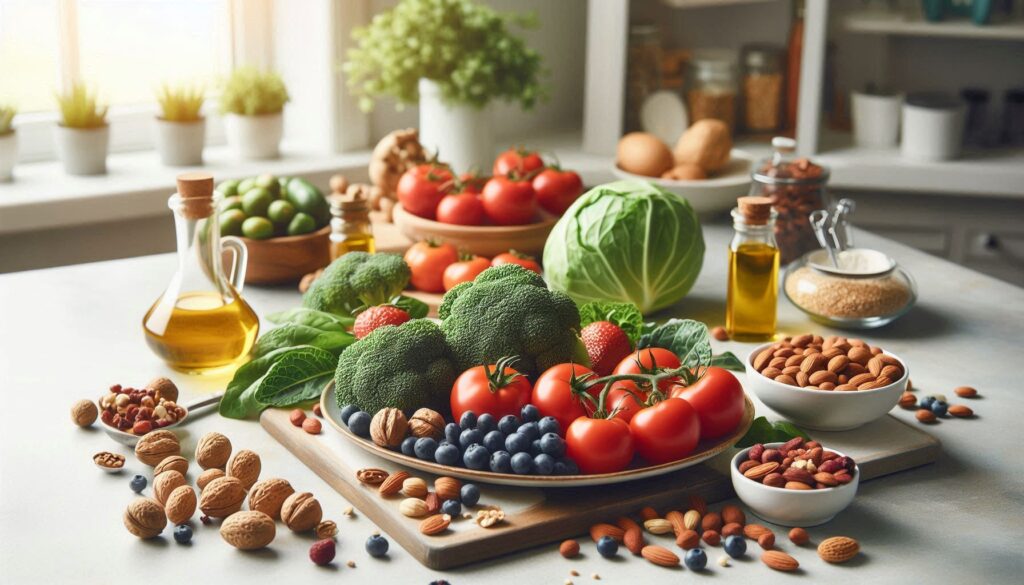
Nearly half of men over 50 report bothersome urinary symptoms, and simple eating patterns can help lower risk factors tied to those complaints.
Nutrition does not cure gland conditions, yet research from Mayo Clinic, NIH, and NHS shows that food choices may help by lowering inflammation, improving weight, and balancing hormones.
This short guide defines what a practical eating plan looks like for men in the United States who want to support comfort and long-term wellness. It focuses on realistic swaps, not strict rules, and links common patterns in trials and guidelines.
Readers will get seven foods to add, five categories to limit, symptom-aware triggers, and easy meal ideas that fit busy schedules. If urinary pain, infection signs, or screening concerns arise, consult a clinician for personalized care. This overview uses careful language like may help and highlights overlap with heart-healthy choices.
Key Takeaways
- Diet supports risk reduction and symptom comfort, not standalone treatment.
- Simple swaps can lower inflammation and improve metabolic health.
- Content aligns with major medical sources and uses cautious wording.
- Guide targets men over 40 who want practical, daily examples.
- Seek medical advice for persistent symptoms or screening questions.
Why prostate health matters for men over 40
After age 40, small changes in gland size and function can quietly affect daily comfort and health. These shifts often happen slowly, so symptoms usually appear over months or years rather than all at once. Awareness helps men notice patterns and make steady changes.
Age-related changes and symptom timing
The gland tends to increase in size with age, and that growth can press on the urethra. When that happens, common complaints include more frequent trips to the bathroom, sudden urgency, and waking at night.
Common goals for everyday well-being
Typical goals focus on urinary comfort—fewer night wakings, less urgency, and more predictable frequency. Men also aim to support metabolic health and weight management because those factors link with long-term risk.
- Long view: dietary intake patterns shape inflammation and insulin responses across years, not days.
- Realistic wins: better weight control, steady blood sugar, and lower inflammation often come from routine habits, not perfect single days.
- Sustainable steps: simple meal structure, shopping defaults, and small swaps beat restrictive short-term plans.
Diet supports systems that matter for the gland—weight, blood sugar, and inflammation balance—without promising a cure. Focus on steady routines that fit daily life for the best long-term impact on prostate health and overall well-being.
Understanding prostate conditions: general prostate health vs BPH vs prostatitis
Understanding how common prostate conditions differ helps men pick foods that may ease specific symptoms.
General prostate health focuses on prevention-minded habits. That means eating a varied diet, keeping a healthy weight, and lowering chronic inflammation. Small changes can reduce long-term risk without promising a cure.
General prevention and nutrition
Prevention emphasizes whole grains, vegetables, and lean protein. These foods prostate health experts often mention support stable metabolism and inflammation control.
Benign prostatic hyperplasia and lower urinary tract symptoms
Benign prostatic hyperplasia (BPH) is noncancerous enlargement that can make urination urgent or difficult. Symptom-focused food choices — like limiting caffeine or high-sodium items — may ease daily bother for some men.
Prostatitis and flare-triggering foods
Prostatitis is an inflammatory condition. Certain bladder irritants—alcohol, spicy foods, and strong coffee—can worsen burning, urgency, or pelvic discomfort in some people. Triggers vary by person, so tracking is useful.
| Condition | Main issue | Dietary focus |
|---|---|---|
| General prostate health | Prevention, long-term risk reduction | Balanced, anti-inflammatory pattern; weight control |
| Benign prostatic hyperplasia | Enlargement; urinary flow/urgency | Limit bladder stimulants; manage fluid timing |
| Prostatitis | Inflammation and pain | Avoid personal irritants during flares; gentle foods |
Overall, diet can support comfort but is not curative. Readers should pair practical food strategies with clinician-guided evaluation when symptoms persist or worsen.
How diet is associated with prostate health
Food patterns affect weight, insulin control, and inflammation — pathways that research links with prostate risk and cancer outcomes. Small, long-term changes in intake often show association with later measures rather than immediate effects.
Weight, insulin, and inflammatory patterns
Excess weight and raised insulin levels appear in observational studies as factors tied to higher rates of aggressive prostate cancer. These are associations, not proof that one causes the other.
Fats, hormones, and growth signals
Some research discusses how certain fats and overall diet quality may influence blood hormone and growth factor levels, including IGF pathways. Reviews note possible links but stop short of causal claims.
Bladder irritants and urinary symptoms
Caffeine, alcohol, spicy or acidic foods can worsen urgency and frequency for men with BPH or prostatitis. Avoiding obvious triggers and moderating intake often eases day-to-day bother.
What “may help” means
May help signals that nutrition studies often show modest, varied effects. Individual response depends on baseline health, total pattern, and other risks. Use this guide as a supportive framework and seek clinical advice for persistent symptoms.
What “prostate-friendly” eating looks like day to day
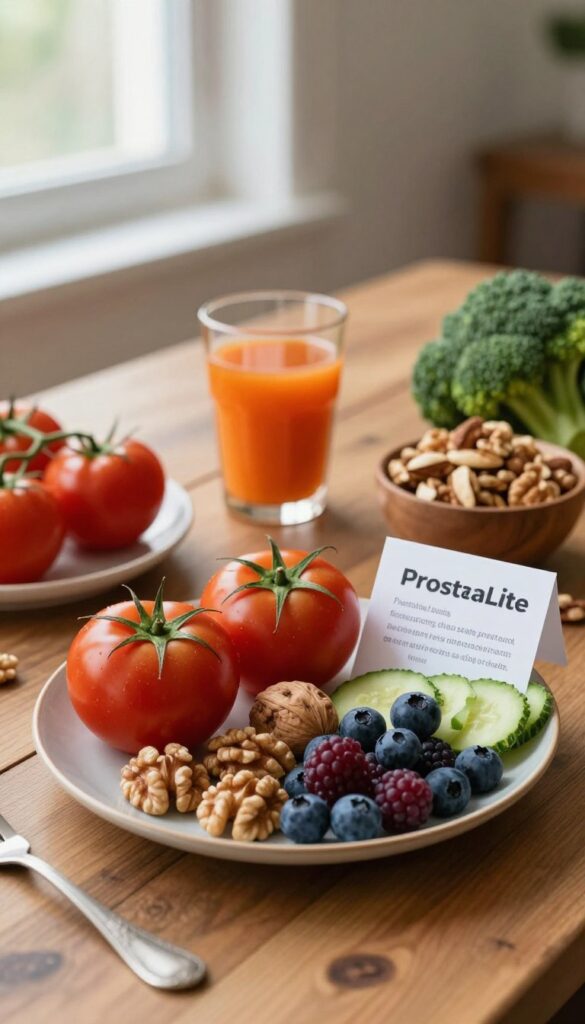
Everyday meals that focus on plants, whole grains, beans, and healthy fats create a repeatable pattern that supports long-term gland comfort.
How this guide reads evidence: it prioritizes commonly cited themes from Mayo Clinic, NIH, and NHS and leans on peer-reviewed research and population studies rather than single trials.
Diet influences weight, inflammation, hormone balance, and metabolic health. Small, consistent changes often matter more than rigid rules.
Practical rules of thumb
- Build plates around plants: vegetables, legumes, and whole grains.
- Choose lean proteins: fish, poultry, tofu, or beans.
- Limit ultra-processed items: swap sugary drinks and processed meats.
Food offers supportive benefits and may help with wellness markers, but it does not replace medical evaluation or treatment.
Readers will see two short lists next: items to include more often and items to limit. Start with one or two changes per week for better long-term adherence.
Prostate-supportive foods to eat more often
Simple swaps—like adding cooked tomatoes or a serving of salmon—make it easier to raise helpful compounds without overhauling meals. Below are practical options and quick examples that research links with lower prostate cancer risk when part of a balanced pattern.
Tomatoes (cooked or puréed)
Cooked tomato products increase lycopene absorption. Try tomato sauce on whole-grain pasta, fresh salsa on eggs, or low-sodium tomato juice as a morning mixer.
Cruciferous vegetables
Broccoli, Brussels sprouts, kale, cabbage, and cauliflower contain phytochemicals like sulforaphane. Include roasted sprouts, steamed broccoli, or raw slaws to boost intake.
Fatty fish
Salmon, sardines, trout, and herring supply omega-3 fats and improve omega-3/omega-6 balance. Aim for two servings weekly; canned salmon or grilled trout are easy choices that also help heart health.
Legumes and soy
Beans, lentils, tofu, and edamame add fiber and plant protein. Some studies link soy isoflavone consumption with lower PSA levels, though findings are not definitive.
Green tea and pomegranate
Green tea contains EGCG and related compounds studied for cellular effects; try replacing one coffee with brewed green tea daily. Pomegranate juice or seeds offer antioxidants—mix diluted juice into sparkling water or sprinkle seeds on salads.
Leafy greens and berries
Spinach, mustard greens, blueberries, and strawberries are nutrient-dense and support lower-glycemic patterns. Fold greens into smoothies and top yogurt or oatmeal with berries for easy servings.
These foods may help support healthier patterns associated with lower prostate cancer risk, but they are not proven preventive measures and do not replace screening or medical care.
Simple ways to add these foods without overhauling meals
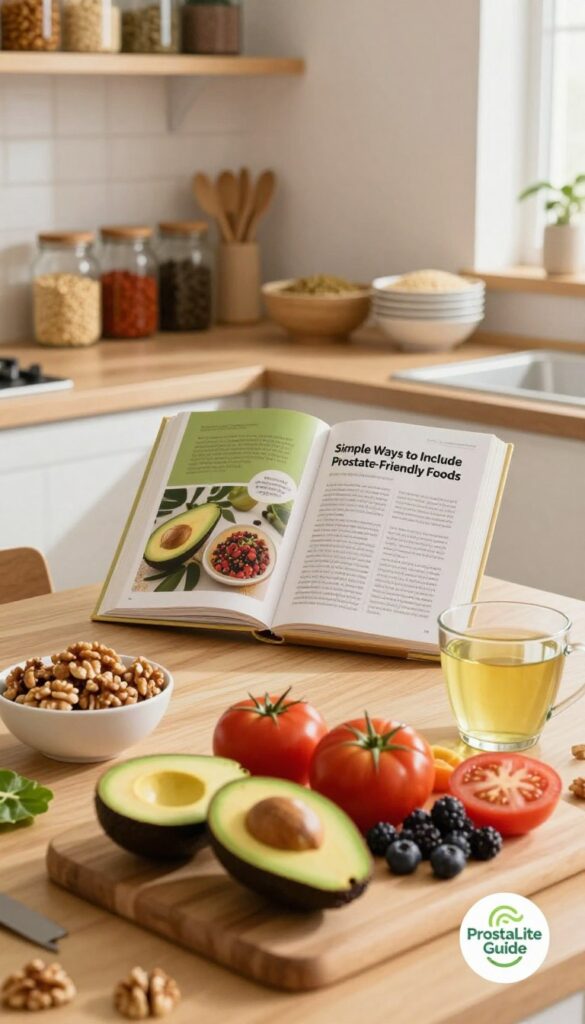
Try adding a few simple swaps each week to raise vegetable, fish, and plant-protein intake without big grocery changes. Small steps are easier to keep up and still deliver steady health benefits.
Easy breakfast upgrades
Eggs with salsa and spinach or a tofu scramble with diced tomatoes add lycopene and greens.
Whole-grain toast topped with rinsed white beans and roasted tomatoes makes a quick, savory option that boosts fiber.
Quick lunch swaps
Choose a bean-and-avocado bowl, or swap processed deli meat for tuna or salmon salad dressed with olive oil and plain yogurt.
Lentil soup plus a side salad is filling and low-cost.
Weeknight dinner templates
Repeatable plates work best: baked fish + cruciferous vegetables + brown rice; chili made with canned beans and extra vegetables; pasta with a tomato sauce and canned sardines. Rotate affordable fish like sardines or canned salmon to stretch a budget.
Budget-friendly tips and snacks
- Frozen vegetables and berries reduce spoilage and save money.
- Rinse canned beans to cut sodium; choose low-sodium tomato juice when available.
- Snack on berries with unsweetened yogurt, hummus with raw vegetables, or steamed edamame.
Consistency matters: repeating two or three default meals each week improves overall consumption more than occasional perfect days.
Foods and drinks to limit for better prostate health
Some common foods and drinks show consistent links with higher prostate cancer risk in population studies. Moderation focuses on patterns, not perfection.
Processed meats and ultra-processed items
Bacon, sausage, hot dogs, and deli meats are classified as carcinogenic in relation to several cancers. Limiting these items reduces exposures tied to higher cancer risk.
Practical tip: treat processed meat as an occasional choice rather than a daily habit.
Charred or overcooked red meat and high-heat compounds
Grilling and pan-frying at high heat produces HCAs and PAHs, chemicals linked with cancer in lab studies. Human data are complex but suggest caution.
Avoid heavily charred edges and prefer gentler cooking: braise, bake, or poach when possible.
High-fat dairy and excess saturated fats
Reviews note that high intake of full-fat dairy and larger saturated fat loads may associate with higher prostate cancer risk and worse outcomes in some groups.
Choose lower-fat dairy options when desired and keep overall fats balanced with plant-based sources.
Very high calcium intake from foods and supplements
Calcium is essential, but very high intake—especially from supplements—has been linked in multiple reports with increased prostate cancer risk.
Stick to recommended intake ranges and discuss large supplement doses with a clinician.
Sugary drinks and refined carbohydrates
Regular consumption of sugary beverages and refined carbs promotes weight gain. Obesity and metabolic strain are consistently tied to more aggressive prostate cancer.
Swap sugary drinks for water or sparkling water and aim for whole grains and fiber-rich carbs.
| Category | Why limit it | Practical swap |
|---|---|---|
| Processed meats | Classified as carcinogenic; linked with higher cancer risk | Use canned tuna, grilled chicken, or legumes occasionally |
| Charred red meat | Forms HCAs/PAHs during high-heat cooking | Bake or stew red meat; trim charred edges |
| High-fat dairy | Patterns of high saturated fat linked with poorer outcomes | Choose low-fat milk or yogurt; use olive oil |
| High calcium supplements | Very high intake tied to increased prostate cancer risk | Meet needs from diet; limit large supplement doses |
| Sugary drinks/refined carbs | Promote weight gain; obesity raises cancer risk | Replace with water; pick whole grains and fruit |
Other common dietary triggers that may worsen urinary symptoms

Certain everyday items — from strong coffee to salty chips — may trigger urgency or burning for men with urinary symptoms. These are often called bladder irritants because they act fast, not because they change long-term risk.
Alcohol
Heavy or binge drinking can act as a diuretic and increase trips to the bathroom and nocturia. Moderation often helps; cutting back on nights with heavy use may reduce symptom flares for some men.
Caffeine and strong drinks
High-caffeine beverages — coffee, energy drinks, and some strong teas — can worsen urgency and frequency. Coffee is not clearly tied to prostate cancer, but it can irritate the bladder in sensitive men.
Sodium, fried foods, and spicy or acidic items
High-salt convenience snacks can worsen swelling and urgency while adding ultra-processed calories. Fried and fast foods are rich in saturated or trans fats and often harm metabolic health.
Spicy or acidic foods often trigger burning when prostatitis or benign prostatic hyperplasia flares occur. Pausing these items during flares and re-testing tolerance later is a pragmatic approach.
| Trigger | Why it matters | Practical tip |
|---|---|---|
| Alcohol | Increases urine output | Limit heavy sessions; hydrate slowly |
| Caffeine | Stimulates bladder | Replace some cups with green tea or water |
| High-sodium snacks | Raise urgency and fluid retention | Check labels; choose low-sodium options |
Not every man reacts the same way. A symptom-aware diary helps identify personal triggers and guide simple swaps that improve daily comfort without drastic change.
Practical “smart swaps” to reduce the worst foods prostate patterns
Small, practical swaps at the grocery store can cut exposure to common harmful compounds without changing meal habits. These changes favor familiar meals and steady patterns rather than extremes.
Protein swaps for everyday meals
Replace processed meat with roasted turkey or chicken in sandwiches. Use canned tuna or grilled fish in salads. Swap deli slices for mashed chickpeas or lentil salad on toast.
Cooking methods that lower harmful compounds
Marinate meats before grilling and pre-cook in an oven to shorten grill time. Avoid direct flame and trim blackened edges. These steps reduce HCAs and PAHs formed at high heat.
Dairy-light strategies
Choose reduced-fat dairy products in smaller servings and rotate calcium sources such as kale, white beans, or fortified plant milk. Supplements are not automatic needs; discuss large doses with a clinician.
Beverage swaps for comfort
Shift fluids earlier in the day, drink plain water or sparkling water, and try low-sodium tomato juice when tolerated. These swaps often help daily comfort and steady intake.
“Small, repeatable changes beat perfect single days for lasting health patterns.”
| Swap | Why it helps | Easy example |
|---|---|---|
| Processed meat → poultry/beans | Reduces nitrates and high-risk compounds | Turkey sandwich; chickpea salad wrap |
| High-heat grilling → pre-cook/marinate | Lowers HCAs/PAHs | Oven-finish then quick grill sear |
| Full-fat dairy → reduced-fat/plant sources | Keeps calcium intake balanced | Yogurt cup + spinach; fortified soy milk |
| Sugary/strong drinks → water/sparkling | Improves bladder comfort and weight control | Sparkling water with lemon; low-sodium tomato juice |
Pattern note: These swaps work best when used most meals most days rather than as an all-or-nothing reset.
Dietary considerations for BPH and prostatitis (symptom-aware approach)
A short, targeted log of foods, drinks, and symptoms helps men spot reliable cause–effect patterns. This approach supports symptom-aware choices rather than one-size-fits-all rules.
Tracking personal triggers: caffeine, alcohol, spicy foods, and acidic foods
Keep a 1–2 week food-and-symptom diary. Note timing, portions, and any burning, urgency, or flow changes the same day.
- Record coffee, soda, and other caffeine sources.
- Mark alcohol nights and any spicy or citrus meals.
- Look for repeated links before changing habits.
Timing tips that may help with nocturia
Shift most fluids to earlier hours and reduce evening beverages. Try finishing large drinks two to three hours before bed.
For coffee or tea, choose smaller servings, earlier timing, or trial decaf to test urinary response.
When to discuss symptoms, supplements, or PSA testing with a clinician
PSA is a blood test that checks PSA levels and can inform screening discussions. Talk with a clinician about screening based on age and risk prostate factors.
Supplements can interact with medications and are not always necessary; discuss any plans with a provider before starting. If burning, severe flow problems, or rapid symptom change occur, seek evaluation for possible prostatic hyperplasia or infection and treatment options.
“A short diary and small timing tweaks often reveal what may help with daily comfort.”
Common myths about prostate diets
It is tempting to pin prevention on a single grocery item or supplement. Shortcuts make headlines, but science points toward patterns rather than magic bullets.
Myth: A single “superfood” can prevent prostate cancer
No single item eradicates cancer risk. Observational studies and trials show some benefits from tomatoes, crucifers, and green tea, yet overall dietary patterns and lifestyle choices drive most measurable effects.
Myth: Cutting all dairy or all meat is required for a healthy prostate
Extreme elimination is unnecessary for most people. Moderation, portion sizes, and choosing lean or minimally processed options matter more than total exclusion.
- Dairy: moderate intake and prefer lower-fat versions when desired.
- Meat: limit charred red meat and processed products, favor poultry, fish, or legumes often.
Myth: Supplements are always safer or more effective than food
Supplements are not automatically benign. High-dose pills can overshoot needs and interact with meds. A food-first approach usually provides balanced nutrients and lower harm.
Myth: Coffee automatically causes prostate cancer risk
Current research does not show a clear link between coffee and higher prostate cancer. Still, caffeine can irritate the bladder for men with urinary symptoms, so personal response should guide consumption.
Bottom line: Favor varied, plant-forward patterns and test personal triggers for symptom control. Use evidence from studies as context, not as absolute promises, and discuss major supplement changes with a clinician.
Some men choose to explore dietary supplements as part of their broader prostate health routine. If you are considering this option, you can learn more about ProstaLite here, but it should not replace professional medical advice.
Conclusion
Small, practical food swaps build steady patterns that support overall health and may lower certain measures linked with prostate and cancer risk. Focus on plants—cruciferous vegetables, cooked tomatoes, and beans—choose fish and healthy fats, and cut back on processed meats, charred red meat, excess saturated fat, high-dose calcium supplements, and sugary drinks.
Be symptom-aware: caffeine, alcohol, spicy or acidic meals, high sodium, and fried foods can worsen urinary or bladder symptoms for some men. Pick one or two sustainable swaps this week and repeat them often rather than chasing perfection.
Medical disclaimer: This content is informational only and does not diagnose, treat, cure, or prevent disease. Consult a qualified clinician about persistent symptoms, screening, medications, or supplements.
FAQ
What foods most research suggests may help support prostate health?
Which foods and drinks are linked with higher prostate risk or worse urinary symptoms?
Can diet prevent prostate cancer or treat prostate conditions?
How should men with BPH or prostatitis approach eating differently?
Are supplements like lycopene, green tea extracts, or omega‑3s recommended?
How much fatty fish or green tea should a man aim for each week?
Does eating soy increase prostate cancer risk?
Should men avoid dairy completely for prostate health?
How do cooking methods affect risk related to red meat?
What practical swaps help lower intake of “worst” foods?
When should a man discuss diet or supplements with his clinician regarding prostate health?
Are there reliable lifestyle changes besides diet that affect prostate risk?
Does caffeine automatically worsen prostate cancer risk or BPH symptoms?
How quickly can dietary changes affect urinary symptoms or risk markers?
Are plant‑based patterns like the Mediterranean diet beneficial for prostate health?

“Abdullah is a dedicated health researcher specialized in urological wellness and prostate health. With years of experience in analyzing clinical studies, he provides evidence-based guidance to help men lead healthier lives.”
