

Understanding Enlarged Prostate (BPH)
The prostate is a walnut-sized gland surrounding the urethra that produces fluid for semen. As men age, the prostate naturally grows larger. When this growth becomes excessive, it can squeeze the urethra and cause troublesome urinary symptoms.
Common symptoms of BPH include:
- Frequent urination, especially at night
- Weak urine stream or difficulty starting urination
- Feeling that the bladder isn’t completely empty
- Sudden urges to urinate
- Straining during urination
While prescription medications like alpha-blockers and 5-alpha reductase inhibitors effectively treat these symptoms, many men explore supplements first due to concerns about medication side effects or a preference for natural approaches.
Important: Supplements are not a replacement for proper medical diagnosis. Always consult with a healthcare provider to rule out prostate cancer or other serious conditions before self-treating with supplements.
Most Researched Enlarged Prostate Supplements
Several plant-based supplements have shown promise for relieving mild to moderate BPH symptoms. Here’s what the science says about the most popular options:

Saw Palmetto
Derived from the fruit of the Serenoa repens palm tree, saw palmetto is the most widely used supplement for prostate health.
How it may work: Saw palmetto contains fatty acids and plant sterols that may reduce inflammation and block the conversion of testosterone to dihydrotestosterone (DHT), a hormone linked to prostate growth.
Research evidence: Studies show mixed results. Some small studies suggest improvements in urinary flow and reduced nighttime urination, while larger NIH-funded studies found it no more effective than placebo. A 2023 review of 27 studies didn’t find saw palmetto to be consistently effective.
Typical dosage: 320 mg daily of a standardized extract containing 85-95% fatty acids and sterols.
Safety profile: Generally well-tolerated with occasional mild side effects like stomach upset or headache. May interact with blood thinners and hormone medications.
Beta-Sitosterol
This plant-derived compound belongs to a group of substances called phytosterols (plant-based fats) found in fruits, vegetables, nuts, and seeds.
How it may work: Beta-sitosterol appears to reduce inflammation and improve urine flow without affecting prostate size.
Research evidence: Several studies show it may improve urinary symptoms and flow measures. A 2020 study published in BMC Urology found that saw palmetto oil enriched with beta-sitosterol improved BPH symptoms after 12 weeks.
Typical dosage: 60-130 mg daily, divided into multiple doses.
Safety profile: Generally safe with few reported side effects. May lower cholesterol levels (which could be beneficial for many men).
Pumpkin Seed Extract
Rich in zinc, fatty acids, and phytosterols, pumpkin seeds have been used traditionally for urinary health.
How it may work: Contains compounds that may inhibit 5α-reductase (an enzyme involved in prostate growth) and provide anti-inflammatory effects.
Research evidence: Clinical studies show promising results. One 12-week trial demonstrated a 30% reduction in symptom scores, with improvements in quality of life and reduced nighttime urination.
Typical dosage: 160-320 mg of extract daily.
Safety profile: Generally well-tolerated. May cause mild digestive complaints in some individuals.
Speak With a Healthcare Provider
Before starting any supplement regimen for prostate health, consult with a healthcare professional who can help determine the best approach based on your specific symptoms and medical history.
Other Prostate Support Supplements
While less extensively researched than the options above, these supplements have some evidence supporting their use for prostate health:
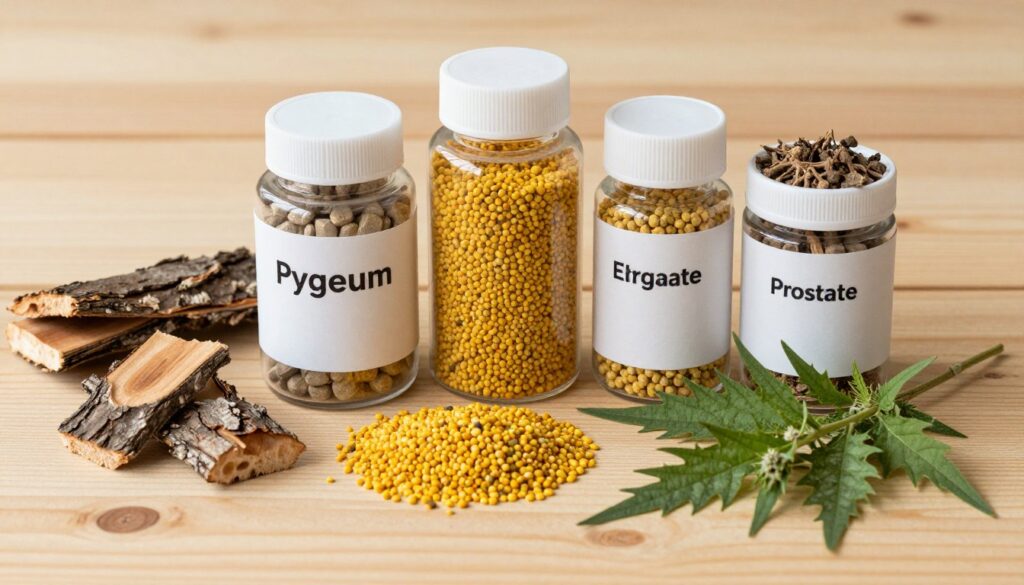
Pygeum
Derived from African plum tree bark, pygeum contains compounds that may reduce inflammation and improve urinary function.
Research suggests it might decrease a pro-inflammatory substance called IL-6, potentially alleviating BPH symptoms. However, a 2023 review noted only “modest effectiveness.”
Typical dosage: 100-200 mg daily of standardized extract.
Rye Grass Pollen Extract
Made from rye, timothy, and corn pollen, this extract (also called Cernilton) may help reduce prostate inflammation.
A 2019 review found evidence supporting its use for BPH, suggesting it may be useful as a complementary remedy, though more research is needed.
Typical dosage: 120-126 mg three times daily.
Stinging Nettle Root
Commonly used in Europe, stinging nettle root contains compounds that may help reduce BPH symptoms.
A 2022 study found it effective in decreasing urinary frequency, nighttime urination, and urgency when used alongside conventional treatments.
Typical dosage: 120-600 mg daily of root extract.
Minerals for Prostate Health
Certain minerals may play a role in maintaining prostate health:
Zinc
The prostate contains more zinc than any other organ in the body. Some research suggests zinc deficiency may increase the risk of prostate enlargement.
However, studies on zinc supplements show inconsistent results, and high doses (over 100 mg daily) might actually increase prostate cancer risk.
Selenium
Some studies suggest selenium might help protect against prostate cancer and slow its progression, but results are mixed.
The optimal dosage remains undetermined, and benefits appear to vary significantly between individuals.

Diet and Lifestyle for Prostate Health
Supplements work best as part of a comprehensive approach to prostate health that includes dietary and lifestyle changes:
Beneficial Foods
- Tomatoes and red fruits – Rich in lycopene, which may support prostate health
- Leafy green vegetables – Provide antioxidants and anti-inflammatory compounds
- Fatty fish – Contains omega-3 fatty acids that may reduce inflammation
- Green tea – Contains polyphenols with potential anti-inflammatory effects
- Nuts and seeds – Provide healthy fats and plant sterols
Foods to Limit
- Red meat – May worsen BPH symptoms
- Dairy products – High calcium intake might affect prostate health
- Caffeine and alcohol – Can irritate the bladder and increase urination
- Spicy foods – May increase urinary symptoms in some men
- High-sodium foods – Can contribute to fluid retention

Lifestyle Factors
Several lifestyle modifications can complement supplements in managing BPH symptoms:
- Regular exercise – May help reduce BPH symptoms and progression
- Maintaining healthy weight – Obesity is linked to worse BPH symptoms
- Scheduled voiding – Urinating at regular intervals rather than waiting until urgent
- Pelvic floor exercises – Can improve bladder control
- Stress management – Chronic stress may worsen urinary symptoms
Important Safety Considerations
Consult a healthcare provider before taking any supplements if you:
- Take prescription medications (especially blood thinners, hormone treatments, or BPH medications)
- Have upcoming surgery
- Have not been evaluated for prostate cancer
- Have liver or kidney disease
- Experience severe or worsening urinary symptoms
Supplement Quality Matters
The FDA regulates supplements as foods, not medications, meaning quality and potency can vary significantly between products:
- Look for supplements tested by third parties (USP, NSF, or ConsumerLab verification)
- Choose products from reputable manufacturers with good quality control
- Check for standardized extracts with specified active ingredient percentages
- Be wary of products making dramatic claims or “proprietary blends” without listing amounts
- Report any adverse effects to your doctor and the FDA’s MedWatch program
“Since there is not a consensus on how much, if any, is enough, it’s impossible to say whether a prostate supplement could offer what you may need.”
When to See a Doctor
While supplements may help manage mild BPH symptoms, certain situations require prompt medical attention:

See a doctor immediately if you experience:
- Complete inability to urinate
- Painful urination
- Blood in urine or semen
- Severe lower back pain
- Fever and chills with urinary symptoms
Schedule a regular appointment if you have:
- Gradually worsening urinary symptoms
- Bothersome urination problems affecting quality of life
- Questions about interactions between supplements and medications
- Not had a prostate exam in the past year (if over 50)
- Family history of prostate cancer
Discuss Supplement Options With a Specialist
A urologist can help determine which supplements might be appropriate for your specific situation and monitor your progress.
Frequently Asked Questions About Enlarged Prostate Supplements
How long does it take for prostate supplements to work?
Most prostate supplements require consistent use for 4-8 weeks before noticeable improvements may occur. Some studies suggest optimal benefits might take 3-6 months of regular use. If you don’t experience any improvement after 3 months, the supplement may not be effective for you.
Can supplements shrink an enlarged prostate?
Most supplements don’t actually shrink the prostate. Instead, they may help reduce inflammation, improve urinary flow, or alleviate symptoms through other mechanisms. Prescription medications like 5-alpha reductase inhibitors (finasteride, dutasteride) are more effective at actually reducing prostate size.
Can I take multiple prostate supplements together?
While some combination products contain multiple ingredients, taking several different supplements simultaneously increases the risk of interactions and side effects. Consult with a healthcare provider before combining supplements, especially if you’re also taking prescription medications.
Are prescription medications better than supplements for BPH?
Prescription medications like alpha-blockers and 5-alpha reductase inhibitors have stronger evidence for effectiveness than supplements. However, they may also have more side effects. The best approach depends on your symptom severity, personal preferences, and medical history.
Can diet alone improve prostate symptoms?
Some men experience symptom improvement with dietary changes alone, particularly by reducing alcohol, caffeine, and spicy foods while increasing plant-based foods. A Mediterranean-style diet rich in fruits, vegetables, whole grains, and healthy fats may support prostate health as part of a comprehensive approach.
Conclusion: A Balanced Approach to Prostate Health

While several supplements show promise for managing mild to moderate BPH symptoms, the evidence remains mixed, and results vary between individuals. A comprehensive approach that combines carefully selected supplements with dietary improvements, regular exercise, and proper medical supervision offers the best chance for symptom relief.
Remember that supplements are not a replacement for proper medical care. Always consult with a healthcare provider before starting any supplement regimen, especially if you have other health conditions or take medications. Regular prostate exams remain essential for detecting serious conditions like prostate cancer.
By taking a balanced, evidence-based approach to prostate health, you can make informed decisions that support your overall wellbeing and quality of life.
Disclaimer: This information is for educational purposes only and not a substitute for professional medical advice. Always consult with a qualified healthcare provider before starting any supplement regimen or making changes to your treatment plan.

“Abdullah is a dedicated health researcher specialized in urological wellness and prostate health. With years of experience in analyzing clinical studies, he provides evidence-based guidance to help men lead healthier lives.”
