
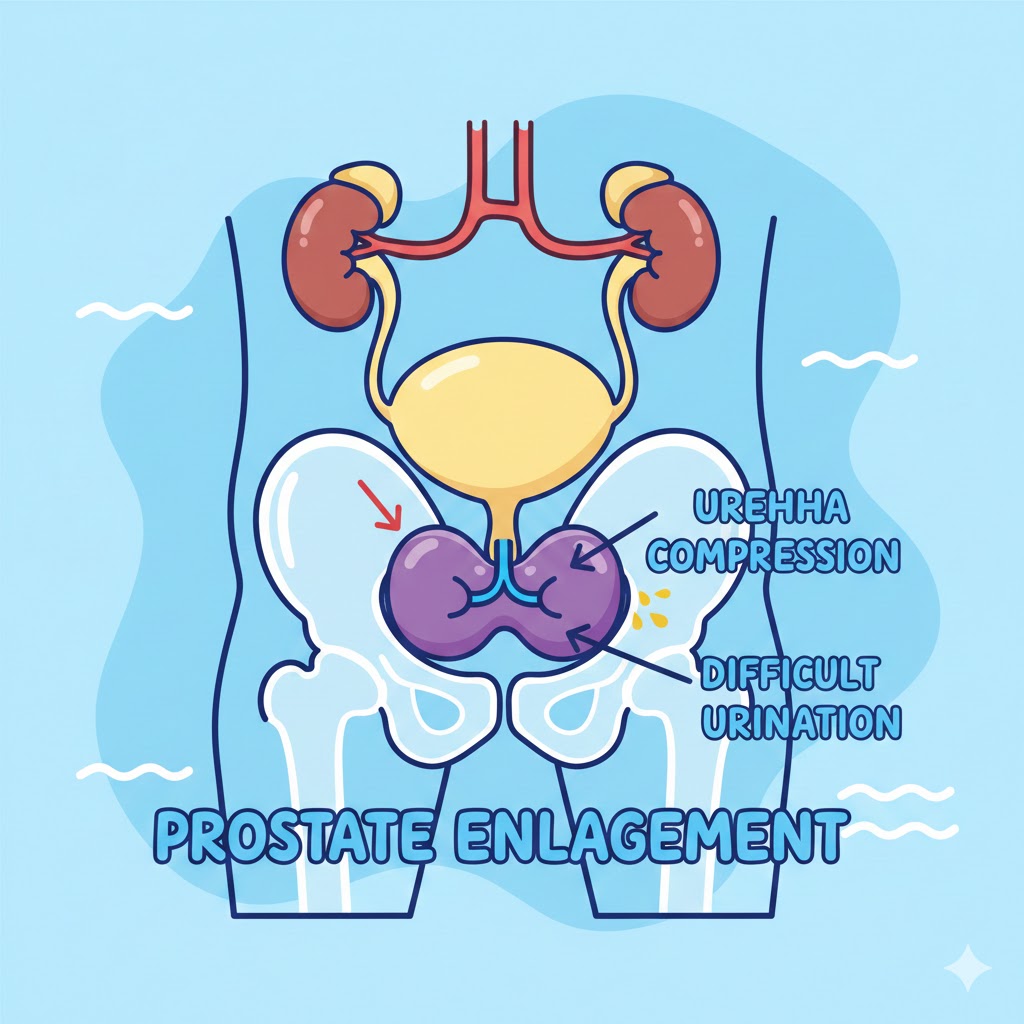

Do you feel constant discomfort or pain in your pelvic area? Prostatitis is a condition where the prostate gland gets inflamed. It can cause many distressing symptoms
Men under 50 are more likely to get this condition. It can make urination painful or hard. You might also feel pain in your groin, pelvic area, or genitals. Knowing the early signs and how to diagnose it is key to treating it well.
Spotting symptoms early can greatly help in managing the condition. This article will help you understand how to identify prostatitis. It will also cover the different ways to diagnose it.
Key Takeaways
- Prostatitis is a common condition affecting men, particularly those under 50.
- Early symptoms include painful or difficult urination and pain in the pelvic area.
- Understanding these symptoms is crucial for timely diagnosis and treatment.
- Diagnostic methods vary, but early examination is key to effective management.
- Recognising the signs early can significantly improve treatment outcomes.
Understanding Prostatitis: What It Is and Why It Matters
To understand prostatitis, we must first know about the prostate gland. It’s a key part of men’s health. The prostate gland is vital for the male reproductive system.
Definition and Function of the Prostate Gland
The prostate gland is a walnut-sized gland crucial to the male reproductive system. It mainly produces a fluid that feeds sperm. This fluid is part of semen. Knowing how the prostate gland works helps us understand prostatitis.
The Prevalence of Prostatitis
Prostatitis is a common urinary tract issue for men under 50. It affects many men globally, causing symptoms that can lower quality of life. The widespread nature of prostatitis shows why it’s important to know about it.
- Prostatitis impacts men of all ages, with different types showing unique traits.
- Knowing how common it is stresses the importance of early diagnosis and treatment.
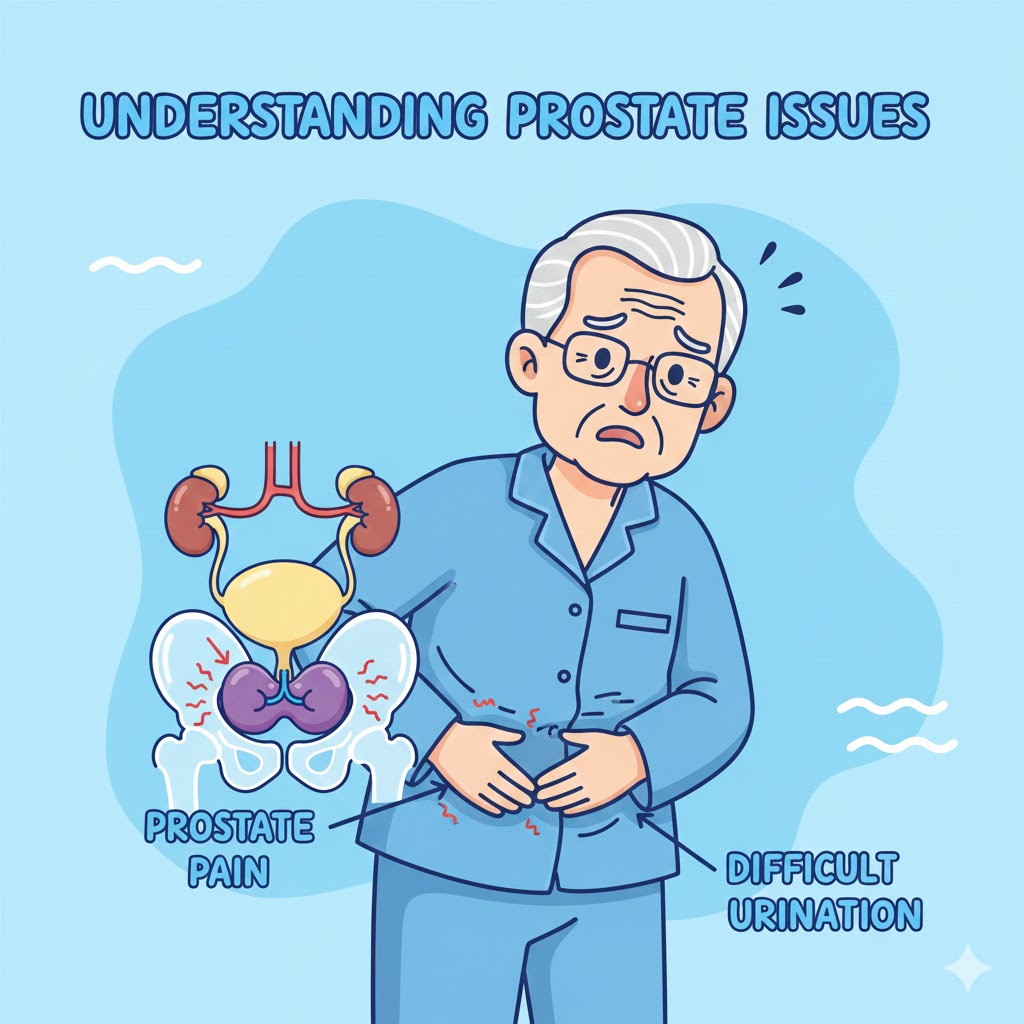
The Four Types of Prostatitis You Should Know About
Prostatitis covers a range of conditions. Knowing the differences is key for the right diagnosis and treatment. There are four main types, each with its own symptoms and characteristics.
Acute Bacterial Prostatitis
Acute bacterial prostatitis is a sudden infection of the prostate gland. It’s usually caused by bacteria. Symptoms include fever, chills, and pelvic pain.
This condition needs quick medical attention. It’s because of the risk of serious complications.
Chronic Bacterial Prostatitis
Chronic bacterial prostatitis is a recurring infection. It often links to urinary tract infections. Symptoms can be less severe but last longer.
Chronic Pelvic Pain Syndrome (CPPS)
CPPS causes chronic pain in the pelvic area. It also affects urinary and sexual functions. The exact cause is not fully understood.
It’s thought to involve infection, inflammation, and psychological factors.
Asymptomatic Inflammatory Prostatitis
Asymptomatic inflammatory prostatitis shows prostate inflammation without symptoms. It’s often found during tests for infertility or other prostate issues.
Knowing about these types of prostatitis is vital for managing them. Each type needs a specific treatment plan to help symptoms and address the root cause.
Recognising Early Symptoms of Prostatitis
The symptoms of prostatitis can vary and affect a man’s health in different ways. It’s important to spot these early signs to get medical help quickly. This can help avoid serious problems later on.
Urinary Symptoms and Changes
Changes in how you pee can be a sign of prostatitis. You might feel pain or burning when you pee. This can really disrupt your daily life.
You might also find yourself needing to pee more often. Or you might feel like you have to pee right away. Some men struggle to start or stop peeing, which can be hard to deal with.
Pain and Discomfort Patterns
Pain is a common symptom of prostatitis. It can show up in different places like the pelvic area, genitals, or lower back. The pain can be mild or very bad and might not always be there.
It can also hurt during or after you ejaculate. This adds to the discomfort.
Sexual Function Changes
Prostatitis can also mess with your sex life. You might feel painful ejaculation or want sex less often. Some men might even have trouble getting an erection. These changes can really affect your life.
Knowing the early signs of prostatitis is important for managing it well. If you’re showing any of these symptoms, see a doctor right away. They can help figure out what’s wrong and how to treat it.
How Do You Know If You Have Prostatitis? Early Symptoms and Methods of Examination

Prostatitis symptoms can appear early if you know what to look for. This condition, which inflames the prostate gland, can be tricky to diagnose. Knowing the signs early can help in getting better treatment.
Identifying Warning Signs That Shouldn’t Be Ignored
Spotting prostatitis early is all about noticing its first signs. These might include feeling pain or discomfort while urinating. You might also feel pain in your pelvic area or notice changes in how you have sex.
Common warning signs include:
- Pain or burning sensation while urinating
- Frequent urination
- Pain in the groin, lower abdomen, or lower back
- Painful ejaculation
Distinguishing Prostatitis from Other Prostate Conditions
Prostatitis symptoms can look like other prostate issues, like BPH or prostate cancer. This makes it very important to get a detailed check-up.
| Condition | Common Symptoms | Key Differences |
|---|---|---|
| Prostatitis | Painful urination, pelvic pain, sexual dysfunction | Inflammation of the prostate, often with infection |
| BPH | Urinary frequency, urgency, weak urine flow | Enlargement of the prostate, typically without pain |
| Prostate Cancer | Often asymptomatic in early stages, later symptoms may include urinary or sexual dysfunction | Malignant cells in the prostate, potentially life-threatening if not treated early |
Assessing Your Risk: Factors That Increase Prostatitis Likelihood
Knowing the risk factors for prostatitis is key to keeping your prostate healthy. By understanding these factors, you can take steps to prevent or catch prostatitis early. This makes treatment more effective.
Age-Related Vulnerability
Age is a big factor in getting prostatitis. Men under 30 and over 50 face a higher risk. Different types of prostatitis affect different age groups.
For example, young men are more likely to get acute bacterial prostatitis. On the other hand, chronic prostatitis/chronic pelvic pain syndrome (CP/CPPS) can affect men in their 30s and 40s.
Medical Conditions That Raise Your Risk
Some medical conditions can up your risk of prostatitis. These include urinary tract infections (UTIs), sexually transmitted infections (STIs), and immune system problems. Men with a history of prostatitis or prostate issues are at higher risk too.
Lifestyle Factors to Be Aware Of
Lifestyle choices like stress, physical inactivity, and diet can also raise your risk. Eating spicy or acidic foods can worsen symptoms. But, staying active helps keep your prostate healthy.
Learn more about the science of natural support in our article: Reclaim Your Comfort: The Ultimate Guide to Prostate Health & Natural Support
When to Consult a Doctor: Timing Your Medical Visit

When you visit the doctor can greatly affect how well you’re treated for prostatitis. This condition, which inflames the prostate gland, shows itself in many ways. Some symptoms are so serious, they need to be seen right away.
Emergency Symptoms Requiring Immediate Attention
Some signs mean you must see a doctor fast. These include sharp pain in the pelvic area, trouble peeing, or blood in your urine or semen. If you notice any of these emergency symptoms, get help right away.
| Symptom | Description | Action Required |
|---|---|---|
| Severe Pelvic Pain | Pain in the pelvic region that is intense and unbearable | Seek immediate medical attention |
| Difficulty Urinating | Inability to urinate or painful urination | Visit a doctor urgently |
| Blood in Urine/Semen | Presence of blood in urine or semen | Immediate medical consultation |
Non-Emergency but Concerning Symptoms
Not all symptoms of prostatitis are urgent, but some still need a doctor’s check-up. Signs like needing to pee a lot, mild pelvic pain, or pain when ejaculating should not be ignored. These concerning symptoms might mean you have prostatitis or another issue with your prostate.
If you’re showing any of these symptoms, it’s best to book a doctor’s appointment. Catching and treating prostatitis early can make a big difference. Your doctor might do a Prostate inflammation examination (prostatitis examination) to find out what’s causing your symptoms.
Preparing for Your Doctor’s Appointment: The Diagnostic Process
Before you see your doctor for a prostatitis diagnosis, it’s key to know what to expect. A full diagnosis is vital to find out if you have prostatitis and what type it is. This information helps your doctor plan the right treatment for you.
Initial Consultation and Medical History Taking
The first step is an initial consultation where your doctor will ask about your medical history. They’ll want to know about your symptoms, how long you’ve had them, and what makes them better or worse. They’ll also ask about your past health, including any prostate problems, STIs, or other health issues.
Physical Examination Procedures to Expect
A physical examination is a big part of the process. Your doctor will do a digital rectal examination (DRE) to check your prostate. This helps find any signs of prostatitis and rules out other prostate problems.
Important Information to Share With Your Doctor
To get a correct diagnosis, it’s important to share relevant information with your doctor. Tell them about your symptoms, any medicines you’re taking, your sexual history, and any recent infections or illnesses. Being honest and detailed helps your doctor diagnose prostatitis accurately.
Understanding the diagnostic process and being ready for your doctor’s appointment helps get a precise diagnosis. This leads to the right treatment and better management of your condition.
Laboratory Tests That Diagnose Prostatitis

Healthcare providers use laboratory tests to check for prostatitis. These tests help find the cause of symptoms, like infections or inflammation. They are key to getting the right treatment.
Doctors use urine, blood, and sometimes semen samples for these tests. They help find out if you have prostatitis and what to do next.
Urine Tests and What They Reveal
Urine tests are a main tool for diagnosing prostatitis. They spot bacterial infections and other urinary tract issues. A urine culture checks for bacteria, and a urinalysis looks for signs of infection or inflammation.
These tests are great for spotting acute bacterial prostatitis. They show if bacteria are in the urine, which means you have an infection.
Blood Tests and Prostate-Specific Markers
Blood tests give more info about the prostate and overall health. They check for prostate-specific antigen (PSA) levels. High PSA levels might mean you have prostatitis or other prostate problems.
While not alone enough, blood tests help confirm other findings. They help rule out other conditions or spot complications.
Semen Analysis and Culture Tests
Semen analysis looks at a semen sample for infection or inflammation signs. A semen culture finds specific bacteria causing prostatitis. This helps choose the right antibiotics.
This test is especially useful for chronic bacterial prostatitis. It finds bacteria in semen, even if urine tests are clean.
Advanced Diagnostic Methods for Prostatitis
Several advanced methods help diagnose prostatitis. These techniques give doctors the tools to accurately identify the condition. This allows them to create effective treatment plans.
Transrectal Ultrasound (TRUS) Procedure
A Transrectal Ultrasound (TRUS) is a key tool for diagnosing prostatitis. It involves inserting an ultrasound probe into the rectum. This gives detailed images of the prostate gland.
TRUS can spot issues like inflammation or abscesses in the prostate. It’s a quick and painless procedure. The images it provides help guide further diagnosis or treatment.
Cystoscopy and Urodynamic Evaluations
Cystoscopy uses a cystoscope to look inside the bladder and urethra. It helps find any abnormalities or blockages that might cause prostatitis symptoms. Urodynamic evaluations check how well the bladder and urethra work. They look at how urine is stored and released.
These tests offer insights into urinary symptoms linked to prostatitis.
MRI, CT Scans and Other Imaging Techniques
MRI (Magnetic Resonance Imaging) and CT (Computed Tomography) scans are used to diagnose prostatitis. MRI gives detailed images of the prostate and surrounding tissues. It helps spot inflammation or other issues.
CT scans help rule out other conditions that might cause similar symptoms. These imaging techniques are essential for a thorough diagnosis.
In conclusion, methods like TRUS, cystoscopy, urodynamic evaluations, MRI, and CT scans are crucial for diagnosing prostatitis. They help doctors understand the condition better. This leads to more effective treatment plans.
Effective Treatment Approaches for Different Types of Prostatitis
Treating prostatitis needs a plan that fits the condition. Each type of prostatitis requires a different approach. This can include antibiotics, pain relief, and changes to lifestyle.
Antibiotic Therapy and Medication Protocols
For bacterial prostatitis, antibiotic therapy is key. The antibiotic choice depends on the bacteria causing the infection. Treatment usually lasts weeks.
For chronic bacterial prostatitis, antibiotics may need to be taken for longer. This ensures the infection is fully cleared.
It’s important to finish all antibiotics as directed. This helps prevent antibiotic resistance. Sometimes, a mix of antibiotics is needed to treat the condition effectively.
| Type of Prostatitis | Antibiotic Used | Duration of Treatment |
|---|---|---|
| Acute Bacterial Prostatitis | Ciprofloxacin or Levofloxacin | 2-4 weeks |
| Chronic Bacterial Prostatitis | Trimethoprim or Sulfamethoxazole | 4-12 weeks |
Pain Management and Symptom Relief
Pain management is crucial, especially for chronic pelvic pain syndrome (CPPS). Nonsteroidal anti-inflammatory drugs (NSAIDs) help reduce pain and inflammation.
Other treatments include pain relief drugs, muscle relaxants. In some cases, alpha blockers are used. They relax prostate and bladder muscles, improving urine flow and pain relief.
Alpha Blockers and Other Prescription Medications
Alpha blockers are used to manage urinary symptoms. They relax prostate and bladder muscles, improving urine flow and reducing discomfort.
Other medications may be prescribed for specific symptoms or complications. It’s vital to work with a healthcare provider to find the best treatment plan.
In conclusion, treating prostatitis requires a detailed and tailored approach. Healthcare providers use this understanding to create effective treatment plans. These plans may include antibiotics, pain management, and other medications.
Lifestyle Modifications to Manage and Prevent Prostatitis
Making lifestyle changes can greatly help with managing and preventing prostatitis. By choosing the right diet, exercising regularly, and managing stress, you can improve your prostate health. These steps are key to taking care of your prostate.
Dietary Changes That Make a Difference
What you eat is very important for managing prostatitis. Eating foods full of antioxidants, like fruits and veggies, can help fight inflammation. Foods rich in omega-3s, such as salmon, are also good for your prostate. Try to eat less processed foods and dairy.
| Food Group | Beneficial Foods | Foods to Limit |
|---|---|---|
| Fruits & Vegetables | Berries, Leafy Greens | High-Sugar Fruits |
| Proteins | Salmon, Turkey | Processed Meats |
| Dairy | Low-Fat Dairy | High-Fat Dairy |
Exercise Regimens and Physical Activity Benefits
Regular exercise is key for keeping your prostate healthy. It helps lower the risk of prostatitis by improving blood flow and reducing swelling. Good exercises include brisk walking, cycling, and swimming. Try to do at least 30 minutes of moderate exercise each day.
Stress Reduction and Mental Wellbeing
Stress can make prostatitis symptoms worse, so it’s important to find ways to reduce it. Activities like meditation, yoga, and deep breathing can help. Doing things you enjoy can also help lower stress.
By making these lifestyle changes, you can manage prostatitis better and maybe even prevent it. It’s all about making lasting changes that improve your health and wellbeing.
Complementary Approaches to Conventional Treatment
There are many ways to manage prostatitis symptoms, besides traditional treatments. These methods can be used together with standard treatments. They help improve overall health and offer extra relief.
Acupuncture, Massage and Physical Therapies
Acupuncture, massage, and physical therapies can help with prostatitis symptoms. Acupuncture can lessen pain and improve how you urinate. Massage therapy can ease pelvic tension and help you relax. Physical therapies, like pelvic floor rehabilitation, also help manage symptoms.
Herbal Supplements and Natural Remedies
Some herbal supplements and natural remedies can help with prostatitis. For example, saw palmetto and quercetin might reduce symptoms. But, always talk to a healthcare provider before trying new supplements.
Heat Therapy and Relaxation Techniques
Using heat therapy like warm baths or compresses can ease discomfort. Relaxation techniques like deep breathing, meditation, or yoga can also help. They reduce stress and improve overall well-being, which can help with symptoms.
| Complementary Approach | Potential Benefits |
|---|---|
| Acupuncture | Reduces pain, improves urinary function |
| Massage Therapy | Alleviates pelvic tension, promotes relaxation |
| Herbal Supplements | May reduce prostatitis symptoms |
| Heat Therapy | Soothe discomfort, relax muscles |
Potential Complications of Untreated Prostatitis
If prostatitis is not treated, it can cause serious health problems. These range from pain to long-term damage. It’s important to know these risks to see why getting medical help is key.
Short-term Complications and Acute Concerns
Untreated prostatitis can cause immediate and severe issues. These include sharp pain in the pelvic area and trouble urinating. In bad cases, it can even cause a prostate abscess. Quick medical help is needed to stop things from getting worse.
| Complication | Description | Potential Consequence |
|---|---|---|
| Severe Pain | Acute pain in the pelvic region | Discomfort and distress |
| Urinary Issues | Difficulty or pain while urinating | Potential urinary tract infections |
| Prostate Abscess | A collection of pus in the prostate | Severe infection, potentially life-threatening |
Long-term Health Implications
Chronic prostatitis can have lasting health effects. It can cause chronic pain, make it hard to have children, and raise the risk of prostate cancer. The ongoing inflammation can also harm the urinary system, leading to long-term problems.
Long-term implications can greatly change a person’s life. It’s vital to manage prostatitis well to avoid these issues.
Impact on Quality of Life and Relationships
The symptoms of untreated prostatitis can really affect daily life. They can cause pain, anxiety, and strain on relationships. The discomfort and urinary problems can lead to emotional distress, affecting well-being and relationships with loved ones.
Conclusion: Taking Control of Your Prostate Health
Knowing about prostatitis is key to keeping your prostate healthy. By understanding symptoms, diagnosis, and treatments, you can manage your health better.
Prostate health is very important for men’s wellbeing. Spotting early signs of prostatitis and getting medical help can greatly improve treatment outcomes and life quality.
Living a healthy lifestyle, like eating well and exercising, can lower your risk of getting prostatitis. Also, knowing about the condition helps men take charge of their prostate health.
Being proactive and informed is crucial for prostate health. By grasping the condition and its effects, you can make better choices for your care. This helps in keeping your prostate in the best shape possible.
FAQ
What are the early symptoms of prostatitis?
Early signs of prostatitis include frequent or painful urination. You might also feel pain or discomfort in the pelvic area. Changes in sexual function are another symptom. Spotting these signs early is key to getting medical help quickly.
How is prostatitis diagnosed?
Doctors use a detailed medical history and physical check-up to diagnose prostatitis. They also run tests like urine and blood tests, and semen analysis. Sometimes, they use scans like MRI or CT scans for a clearer picture.
What are the risk factors for developing prostatitis?
Getting older, certain health conditions, and lifestyle choices can up your risk of prostatitis. Knowing these factors helps in prevention and early detection.
What are the different types of prostatitis?
There are several types of prostatitis, including acute bacterial and chronic bacterial prostatitis. There’s also chronic pelvic pain syndrome (CPPS) and asymptomatic inflammatory prostatitis. Each type has its own symptoms and characteristics.
How can prostatitis be treated?
Treating prostatitis involves a mix of treatments based on the condition’s type and severity. This can include antibiotics, pain relief, alpha blockers, and changes in lifestyle.
Can prostatitis be prevented?
Yes, you can manage and prevent prostatitis through lifestyle changes. This includes eating right, exercising regularly, and reducing stress. Knowing the risk factors and taking action can also help keep your prostate healthy.
What are the potential complications of untreated prostatitis?
Untreated prostatitis can cause serious health problems. These can affect your short-term and long-term health, impacting your life and relationships.
How can I prepare for a doctor’s appointment for prostatitis?
To prepare for a doctor’s visit, learn about the diagnostic process. Share important information with your doctor. This includes your medical history and any symptoms you’re experiencing.
Are there any complementary approaches to conventional treatment for prostatitis?
Yes, there are complementary methods like acupuncture, massage, herbal supplements, and heat therapy. These can help manage symptoms and work alongside traditional treatments.
If you want the best solution, click here.

“Abdullah is a dedicated health researcher specialized in urological wellness and prostate health. With years of experience in analyzing clinical studies, he provides evidence-based guidance to help men lead healthier lives.”
