
Medical disclaimer: This article provides general information about prostate health and natural strategies. It is not medical advice. Consult a licensed healthcare professional before starting any new treatment, supplement, or major lifestyle change—especially if you have a medical condition or take medications.
How to Support Your Prostate Naturally: Science-Backed Strategies
A practical, evidence-aware guide for men that explains lifestyle, dietary, exercise, stress management, and supplement strategies to support prostate function and reduce bothersome urinary symptoms.
Many men experience changes in urinary or reproductive health as they age. While estimates vary, **benign conditions like BPH become increasingly common with age**; the chance of BPH symptoms rises substantially after the sixth decade. If you’re noticing changes, you’re not alone — and there are practical, science‑backed steps you can take.
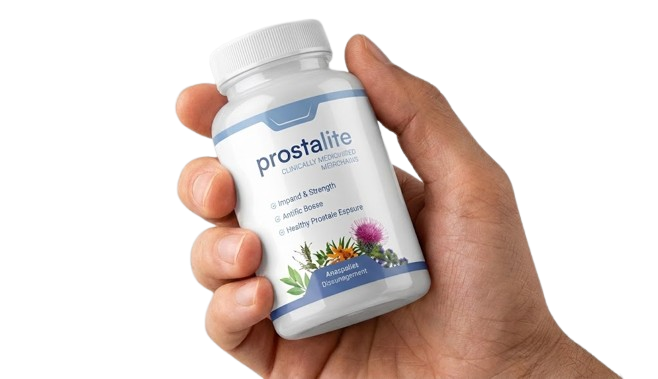
Supporting your **prostate** naturally combines targeted **lifestyle changes** with, when appropriate, **supplements**. Some men choose products such as ProstaLite — if you consider supplements, discuss them with your clinician so you understand the evidence, dosing, and any interactions with your medications.
Key Takeaways
- Understand common issues: age-related changes such as **BPH** and prostatitis are common — early recognition helps preserve quality of life.
- Use proven lifestyle strategies: a balanced diet rich in **fruits and vegetables**, regular physical activity, and stress management support prostate health.
- Consider supplements carefully: ingredients such as **saw palmetto** and **beta‑sitosterol** have some clinical data for reducing urinary tract symptoms; discuss options and dosing with your clinician.
- Talk to a healthcare professional: get individualized advice, screening when appropriate, and to rule out serious disease.
- Take action now: small, consistent changes to diet, exercise, and stress routines can meaningfully improve symptoms and quality of life.
Understanding Prostate Health and Its Importance
The prostate is a small but important part of the male reproductive system. When it’s healthy, it helps produce seminal fluid and supports urinary function. As men age, the gland commonly changes — and understanding those changes helps you take practical steps to protect your health.
What Is the Prostate?
The prostate gland sits below the bladder and surrounds the urethra. In younger men it’s roughly walnut-sized; with age the gland often enlarges. Its main role is to produce components of semen that help nourish and transport sperm. Because it sits around the urethra, changes in prostate size or inflammation can affect urinary function.
If you notice changes in urinary habits, don’t panic — many causes are manageable. Still, early assessment helps rule out serious disease and points to the right mix of lifestyle, nutrition, and medical care.
Common Prostate Issues — A Brief Guide
Below are the conditions men most commonly encounter. Each has different causes, symptoms, and treatment paths — and many are manageable with early care and sensible lifestyle changes.
- Benign Prostatic Hyperplasia (BPH): a non‑cancerous enlargement of the prostate that can compress the urethra and cause urinary tract symptoms such as weak flow, frequent urination, or incomplete emptying.
- Prostatitis: inflammation of the prostate, which may be infectious or noninfectious; symptoms can include pelvic pain, burning with urination, and urinary urgency.
- Prostate cancer: a disease where prostate cells grow abnormally; many cases are slow-growing, but screening and medical follow-up are important for appropriate care.
Recognizing symptoms early and discussing them with a clinician helps you get the most appropriate care — whether that’s lifestyle changes, targeted supplements, medication, or procedures in select cases.
Exploring Benign Prostatic Hyperplasia (BPH)
BPH (Benign Prostatic Hyperplasia) is common in older men and can cause bothersome urinary tract symptoms. It is not prostate cancer, but because symptoms overlap with other conditions, evaluation is important.
What Is BPH?
BPH happens when prostate tissue enlarges over time. This can narrow the urethra and lead to urinary symptoms. The causes aren’t fully understood but hormonal changes with age — including local changes in testosterone and estrogen signaling — play a role.
Clinically, providers assess symptoms using questionnaires (e.g., IPSS), measure urine flow when appropriate, and may order blood tests (PSA) or imaging depending on findings.
Symptoms of BPH
Common **urinary symptoms** related to prostate enlargement include:
- Increased frequency (day or night)
- Urgency or a strong need to urinate
- Weak or intermittent urine flow
- Difficulty initiating urination or a feeling of incomplete emptying
- Dribbling after urination
If symptoms affect sleep, daily function, or cause pain, seek medical evaluation — untreated severe obstruction can lead to urinary tract infections or bladder problems.
Risk Factors for BPH
Several factors raise the likelihood of developing BPH:
- Age — the risk increases with each decade after 50.
- Family history — a family history of prostate enlargement raises risk.
- Metabolic factors — obesity and physical inactivity are associated with higher rates of BPH symptoms.
- Diet — observational research links certain dietary patterns (higher red meat and high‑fat dairy intake) with increased risk, while plant‑forward diets are associated with lower risk.
Understanding modifiable risks gives you actionable targets: optimizing weight, staying active, and choosing a diet rich in fruits, vegetables, and healthy fats can reduce inflammation and potentially lower symptom burden.
Managing concerns about the prostate can feel stressful. If you’re anxious, a first step is to make a clinic appointment — many men find rapid reassurance and a clear plan of action after a single visit.
“Early detection and prevention are key to maintaining prostate health.” — speak with your clinician about screening and personalized risk assessment.
The Role of Nutrition in Prostate Health
Nutrition is a practical, high-impact way to support prostate health. Diet influences inflammation, hormone balance, and overall metabolic health — all of which affect the prostate gland. Below are foods and nutrients with the strongest support from research and clear, actionable guidance you can start using this week.
Foods Beneficial for Prostate Health
Choose a pattern focused on whole, minimally processed foods. Key items with evidence-based benefits include:
- Tomatoes (and cooked tomato products) — rich in lycopene, an antioxidant studied for potential prostate benefits in observational studies and some clinical trials. Cooked forms (sauce, paste) increase lycopene absorption.
- Cruciferous vegetables (broccoli, Brussels sprouts) — contain compounds that support cellular health and are associated with lower prostate disease risk in some research.
- Leafy greens and colorful fruits (berries, citrus) — provide antioxidants and polyphenols that reduce oxidative stress.
- Fatty fish (salmon, mackerel, sardines) — sources of omega‑3 fatty acids which can lower systemic inflammation when part of a balanced diet; aim for 2–3 servings per week.
- Nuts and seeds (walnuts, flax, chia) — provide healthy fats, fiber, and plant sterols that support metabolic and prostate health.
Nutrients to Include and Why They Matter
Target these nutrients through food first; supplements can fill gaps when needed.
- Lycopene — antioxidant concentrated in cooked tomatoes; observational studies associate higher lycopene intake with lower prostate cancer risk and some markers of prostate health (evidence moderate).
- Vitamin D — supports cellular regulation; low vitamin D status has been linked with higher prostate disease risk in some studies; consider testing and correcting deficiency with your clinician.
- Omega‑3 fatty acids — anti‑inflammatory effects when consumed as part of diet; fish oil supplements have mixed evidence but dietary fish is recommended.
- Zinc and selenium — trace minerals concentrated in some foods (oysters, nuts) with roles in prostate cell function; avoid megadoses and consult a clinician before supplementing.
Practical Weekly Food Checklist (Simple)
Aim for consistent, achievable targets each week:
- Fruits & vegetables: 5–8 servings daily (include leafy greens and cruciferous veg).
- Fatty fish: 2–3 servings per week (salmon, mackerel, sardines).
- Tomato-based dishes (cooked): 2–3 times per week for lycopene intake.
- Nuts/seeds: small handful most days for healthy fats and plant sterols.
- Limit processed foods, excess red meat, and high‑fat dairy — consider plant-forward swaps.
The Science Behind ProstaLite
Some men choose to complement diet with targeted supplements. Products such as ProstaLite combine ingredients (saw palmetto, beta‑sitosterol, zinc and others) that have been studied for effects on urinary tract symptoms and markers of prostate health. The quality and strength of evidence vary by ingredient; discuss any supplement plan with your clinician so dosing, safety, and expectations are clear.
Key Ingredients in ProstaLite
Commonly included components and their putative roles:
- Saw palmetto — may modestly reduce lower urinary tract symptoms in some men (evidence mixed; better effects seen in certain extracts and doses).
- Beta‑sitosterol — a plant sterol that in some trials improved urine flow and symptom scores.
- Zinc, lycopene and other micronutrients — supportive roles in prostate cell function and antioxidant defenses; avoid high‑dose self‑prescribing without medical advice.
Bottom line: a food-first approach anchored in fruits, vegetables, healthy fats, and regular fish intake provides the foundation. Supplements can help in targeted cases, but discuss evidence, dosing, and interactions with your healthcare provider before starting any product.
Natural Supplements for Prostate Support
Many men consider targeted supplements as part of a broader plan to support the prostate. Supplements are not a replacement for medical care, but when chosen carefully they can complement diet, exercise, and stress‑management strategies. Below we summarize commonly used ingredients, the strength of the evidence, typical dose ranges studied, and safety considerations so you can discuss options with your healthcare provider.
Overview of Prostate Supplements
Prostate supplements vary in formulation. Research quality ranges from randomized controlled trials (RCTs) for some extracts to observational or limited data for others. Use supplements as one part of a plan that prioritizes food‑first nutrition, exercise, and regular medical follow‑up.
Key Ingredients in Prostate Supplements, Evidence & Practical Notes:
- Saw palmetto — Evidence: multiple RCTs and meta‑analyses show modest improvements in lower urinary tract symptoms for some standardized extracts. Typical studied doses: 160 mg twice daily of specific standardized extracts (e.g., lipophilic extracts). Safety: generally well tolerated but can interact with anticoagulants; discuss with your clinician.
- Beta‑sitosterol — Evidence: several trials report improved urine flow and symptom scores; effect sizes vary. Typical studied dosing ranges: 60–130 mg daily (often divided). Safety: plant sterols are generally safe; long‑term effects should be discussed with a provider.
- Pygeum (African plum extract) — Evidence: RCTs show reduced nocturia and improved flow in some studies; quality varies. Typical studied dose: 50–100 mg daily of standardized extract.
- Stinging nettle — Evidence: combination preparations (with saw palmetto or others) show benefit in some trials; standalone data are less robust. Consideration: may affect blood pressure or interact with medications.
- Zinc, selenium, lycopene — Evidence: micronutrients have biological plausibility (antioxidant and cellular roles). Clinical trial evidence is mixed; avoid high‑dose self‑prescribing and consult a clinician for testing and safe dosing.
Benefits and Evidence Strength (Quick Matrix)
| IngredientEvidence strengthTypical studied dose | ||
| Saw palmetto | Moderate (mixed RCT results) | 160 mg twice daily (standardized extract) |
| Beta‑sitosterol | Moderate (symptom improvements reported) | 60–130 mg/day |
| Pygeum | Limited–moderate | 50–100 mg/day (standardized) |
| Stinging nettle | Limited (often in combos) | Varies by extract |
Safety reminder: talk with your clinician before starting supplements — they can interact with prescription medicines (notably blood thinners and some blood pressure drugs) and some trial results reflect specific standardized extracts, not all product formulations.
Lifestyle Changes to Promote Prostate Wellness
Supplements work best when combined with solid lifestyle foundations: regular physical activity, stress reduction, healthy weight, and a nutrient‑dense diet. The sections below show practical, evidence‑based actions you can adopt this week.
Importance of Regular Exercise
Exercise reduces the risk of metabolic syndrome, improves circulation, and supports urinary function. Aim for at least 150 minutes of moderate activity per week (e.g., brisk walking) plus two sessions of resistance training. Even 30 minutes most days helps reduce BPH symptoms in some men.
Stress Management Techniques
Chronic stress can worsen inflammation and sleep — both of which affect prostate symptoms. Practical 5‑minute techniques you can add daily:
- Deep diaphragmatic breathing: 3–5 minutes, focus on slow inhales/exhales.
- Short guided mindfulness or body‑scan practice (apps or online videos).
- Light evening stretching or restorative yoga to improve sleep.
Combining consistent exercise, a nutrient‑dense diet, and short daily stress‑reduction practices is a powerful, science‑backed approach to improving prostate symptoms and overall quality of life. Talk to your clinician before starting any new supplement or exercise plan, especially if you have chronic conditions or take medications.
The Connection Between Inflammation and Prostate Problems
Chronic low‑grade inflammation is increasingly recognized as a contributor to prostate conditions such as Benign Prostatic Hyperplasia (BPH) and symptomatic prostate enlargement. Inflammation can affect prostate tissue remodeling and contribute to urinary symptoms; reducing inflammatory drivers is therefore a practical target for prevention and symptom management.
Understanding Inflammation in Plain Language
Inflammation is the body’s response to injury, infection, or stress. Short‑term (acute) inflammation helps healing; long‑term (chronic) inflammation can alter tissues and contribute to disease. In the prostate, chronic inflammation is associated with changes in cell signaling and local growth factors that can encourage prostate tissue growth and worsen urinary tract symptoms.
Biologically, inflammation involves immune cells and signaling molecules (cytokines). Pathways such as NF‑κB and increased pro‑inflammatory cytokines (for example IL‑6) have been implicated in prostate tissue changes in research studies. While the molecular details are complex, the practical takeaway is clear: strategies that lower systemic inflammation (diet, activity, sleep, stress reduction) often help prostate symptoms.
How Lifestyle & Diet Reduce Inflammation
Evidence shows that a plant‑forward diet, regular exercise, healthy weight, and good sleep reduce systemic inflammatory markers. Specific actions include increasing intake of fruits and vegetables, choosing omega‑3 rich fish over processed meats, and minimizing excess calorie intake. These changes lower circulating inflammatory cytokines and support prostate health over time.
How ProstaLite and Common Ingredients May Help
Some ingredients used in prostate supplements have anti‑inflammatory properties in laboratory and clinical studies. Below is a concise, evidence‑graded summary for commonly included components. These ratings reflect the general quality of clinical evidence (not product‑specific claims):
- Saw palmetto — Evidence: moderate. Many RCTs show modest symptom improvement; several reports suggest anti‑inflammatory effects in prostate tissue. Typical clinical extracts and doses matter; discuss formulation and dosing with your clinician.
- Beta‑sitosterol — Evidence: moderate for symptom improvement and possible anti‑inflammatory activity; often used at 60–130 mg/day in studies.
- Pygeum and nettle extracts — Evidence: limited to moderate; some trials show improved urinary flow and reduced nocturia; anti‑inflammatory effects reported in preclinical studies.
Clinical caution: supplements are complementary — they do not replace prescribed medications when those are indicated (e.g., alpha‑blockers, 5‑alpha‑reductase inhibitors) or surgical options for severe obstruction. Always inform your clinician about any supplements you take to avoid interactions and to obtain appropriate monitoring.
Takeaway: lowering chronic inflammation through diet, exercise, stress reduction, and—when appropriate—targeted supplements can form a practical, evidence‑aware approach to reducing BPH symptoms and supporting prostate health. Discuss choices and dosing with a healthcare professional to ensure safety and the best possible outcomes.
Consulting Healthcare Professionals
Talking with a healthcare professional is an essential step in managing prostate health. A clinician can evaluate symptoms, order appropriate tests, and help you weigh lifestyle changes, supplements, and medical treatments based on your individual risks and goals.
When to See a Doctor
Make an appointment if you experience any of the following: difficulty urinating, weak or interrupted urine flow, sudden inability to urinate, blood in the urine, pelvic pain, or a marked increase in nighttime urination. These symptoms can signal conditions that require timely evaluation. Also see a provider if you have persistent concerns — early assessment often leads to simpler, more effective options.
For routine screening, general guidance from major bodies suggests individualized discussion starting around age 50 for average‑risk men; men with higher risk (family history of prostate cancer, Black men) should discuss earlier screening (often around 40–45). Follow the recommendations of your clinician based on your personal risk profile and test results.
Checklist for Your Visit
Prepare a short list to make the most of your appointment:
- Describe symptoms with timing and severity (e.g., nights you wake to urinate, difficulty starting stream).
- Bring a full medication and supplement list (names, doses) to check for interactions.
- Have questions ready about tests (PSA, urinalysis, urine flow) and lifestyle options.
- If relevant, note family history of prostate cancer or other cancers and any prior prostate procedures or treatments.
Discussing Supplementation with Your Physician
If you’re considering supplements such as ProstaLite or single-ingredient products (saw palmetto, beta‑sitosterol, zinc), ask your clinician:
- Is this supplement likely to help my specific symptoms based on the evidence?
- Could it interact with my current medications (for example, blood thinners, blood pressure drugs, or hormone therapies)?
- Are there recommended brands, standardized extracts, or dosing schedules supported by studies?
- What monitoring or follow‑up should we do if I start the supplement?
| SupplementPotential BenefitsConsiderations | ||
| ProstaLite | May support prostate health and relieve some BPH symptoms in conjunction with lifestyle measures | Discuss with your physician; evaluate for interactions and appropriateness |
| Zinc Supplements | May support prostate cell function; important if dietary intake is low | Avoid excessive doses; check for drug interactions; consider dietary sources first |
| Saw Palmetto | May reduce urinary symptoms for some men (evidence mixed) | Check for interactions (e.g., anticoagulants); choose standardized extracts where evidence exists |
Evidence‑Based Medical Treatments (Overview)
If lifestyle changes and supplements are insufficient, evidence‑based medical options include:
- Alpha‑blockers (e.g., tamsulosin) — improve urine flow and reduce symptoms relatively quickly.
- 5‑alpha‑reductase inhibitors (e.g., finasteride) — can shrink the prostate over months and lower the long‑term risk of progression in men with larger glands.
- Minimally invasive procedures and surgery — reserved for men with significant obstruction, recurrent urinary retention, or treatment failure; options include outpatient and surgical approaches discussed with a urologist.
Your clinician will balance symptom severity, prostate size, comorbidities, and personal preferences to recommend the best treatment path. Shared decision‑making ensures the chosen strategy aligns with your priorities and lifestyle.
In summary, healthcare professionals are invaluable partners in prostate health. They help interpret symptoms, evaluate risk, and guide safe, evidence‑based use of supplements and treatments tailored to each man’s needs.

Real User Experiences with ProstaLite
Real‑world reports can help illustrate how men combine lifestyle changes and supplements. Individual testimonials describe improvements in urinary frequency, sleep quality, and overall comfort — but results vary. Use personal stories as context, not proof; the best approach is to pair anecdotal experience with clinical evidence and a conversation with your clinician.
Customer Testimonials (Balanced)
Example user reports may say things like, “I noticed fewer night‑time trips to the bathroom,” or “I sleep through the night more often.” These subjective improvements are meaningful to people. At the same time, be aware that testimonials are individual and influenced by many factors — placebo effect, concurrent lifestyle changes, and baseline symptom variability.
“I was skeptical at first, but after a few months of consistent use plus changes to my diet and exercise, my urinary symptoms improved and I sleep better.”
— Typical user experience (anecdotal)
Clinical Studies — What to Look For
When evaluating study claims, prefer randomized controlled trials that report objective endpoints such as IPSS (International Prostate Symptom Score), peak urine flow (Qmax), and adverse events. Look for sample sizes, duration, and whether the study was industry‑funded. Modest improvements in symptom scores are common in trials of saw palmetto and beta‑sitosterol, but study quality and effect sizes vary.
| StudyDurationTypical Endpoint | ||
| Representative RCTs | 3–12 months | Change in IPSS, Qmax, adverse events |
Important note: some promotional materials and small case studies report very large effect sizes (for example, >70–80% symptom change). These figures often come from uncontrolled samples or manufacturer‑sponsored analyses and should be interpreted cautiously. Look for independent studies and peer‑reviewed publications when possible.
Comparing ProstaLite and Other Options
When comparing supplements, focus on ingredients, evidence, manufacturing quality, and third‑party testing. Price and ratings matter for convenience and perceived value, but the clinical evidence base should guide decisions.
Balanced Summary
Some men report meaningful improvement after adding supplements like ProstaLite, especially when combined with diet and exercise. Clinical studies report modest average improvements for certain ingredients. Discuss expectations, timing, and safety with your clinician and look for independent research when evaluating product claims.
FAQs — Evidence‑Based Next Steps
If you try a supplement: use it consistently for at least 3 months (unless side effects occur), track symptoms (IPSS or a simple diary), and report outcomes to your clinician so progress and safety can be assessed.

“Abdullah is a dedicated health researcher specialized in urological wellness and prostate health. With years of experience in analyzing clinical studies, he provides evidence-based guidance to help men lead healthier lives.”
