

⚠️ Important Note: We separate facts from fear. While we discuss natural support, always consult a doctor for sudden or severe symptoms.
Surprising fact: fluid from the prostate makes up about 20–30% of semen volume, yet changes around this gland can affect desire, erections, ejaculation and confidence in different ways.
The term prostate and sexual health often groups together several related concerns. Readers mean libido, physical response, ejaculation and the emotional impact on a relationship.
It is important to note that symptoms can come from many causes. Aging, cardiovascular risk, medications, mood, sleep and urinary complaints may all play a role.
This guide separates symptoms, risk factors and causes so a man can describe what is happening without self-diagnosing. Practical scenarios include urinary trouble that disrupts intimacy, pelvic discomfort that lowers arousal, and the emotional weight of a cancer diagnosis.
Key point: sexual changes are common and vary by person. Supportive conversation and a clinical evaluation help clarify options when symptoms persist or worsen.
Key Takeaways
- Prostate fluid contributes significantly to semen, and changes can affect sexual response.
- Libido, erections, ejaculation and confidence often overlap and deserve a broad view.
- Many factors—age, meds, mood, sleep and heart risk—can mimic gland-related problems.
- The guide separates signs, risks and causes to avoid self-diagnosis.
- Talks with partners and clinicians can help clarify next steps if issues persist.
Why the Prostate Matters for Sex and Libido
The nearby gland around the urethra contributes fluid to semen and links to pathways that control erections and desire. It sits just below the bladder and surrounds the urethra. Its fluid makes about 20–30% of semen and contains PSA and other proteins that change semen chemistry.
What the gland does and how it aids semen
The gland is an accessory sex gland. Its secretions help nourish sperm and influence semen volume and texture. These chemical contributions are part of why changes in the gland can affect intimacy without meaning a specific diagnosis.
How erections work in simple terms
An erection needs clear nerve signals, good blood vessels, and relaxed smooth muscle in penile tissue. Nerve input triggers nitric oxide release, which starts a chain that uses cyclic guanosine monophosphate to relax vessels and allow blood inflow. This coordinated process creates firmness.
What libido means and what can change it
Libido is desire; it is separate from erection quality and may change independently. Stress, poor sleep, mood disorders, pain, medications, alcohol, and relationship tension often lower desire. The gland’s problems may affect sex through urinary symptoms, inflammation, pain, or treatment-related nerve or vessel effects.
Common Prostate Conditions Linked to Sexual Concerns
Several common gland conditions can produce symptoms that interfere with desire, comfort, or performance.
Benign prostatic hyperplasia and what it is
Benign prostatic hyperplasia is noncancerous enlargement that often appears with age. It can narrow the urethra and cause lower urinary tract symptoms like slow flow, urgency, or waking at night.
Those urinary changes may reduce intimacy by interrupting sleep or creating worry before activity. Tracking patterns helps a clinician separate enlargement from other disease causes.
💡 Protect Your “Flow” & Vitality Naturally
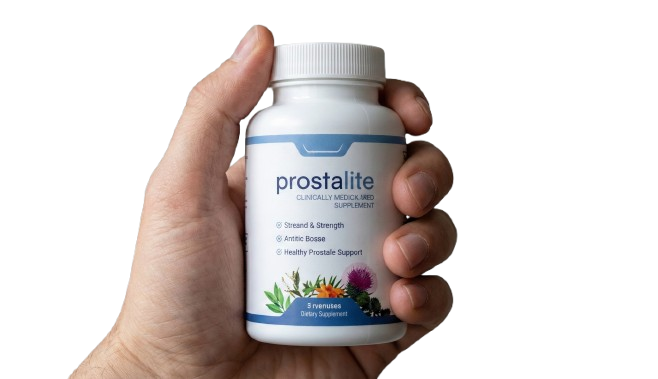
Many men worry that medical treatments might affect their libido. That’s why supporting prostate health early with natural ingredients is a smart first step.
Targeting the root cause (often DHT buildup) can help maintain healthy size and function without the harsh side effects. Our top recommendation for holistic support is ProstaLite.
Prostatitis and pelvic discomfort patterns
Prostatitis is broad term for inflammation in the gland or nearby pelvis. Men may report pelvic pain, urinary bother, or sometimes painful ejaculation.
Causes vary widely—from infection to chronic pelvic pain syndromes—so treatment and effects differ. Clear notes about timing and triggers support accurate evaluation.
Why cancer symptoms can be indirect
Early prostate cancer is often silent. When men do develop signs, they tend to resemble urinary trouble more than direct sexual dysfunction.
Effects prostate cancer on intimacy commonly stem from stress, depressed mood, or changes in relationship dynamics after a diagnosis.
Following a careful record of urinary changes, pain, and any shift in desire makes clinical discussions more useful than guessing the cause.
- Key: symptoms overlap across disease types and need evaluation.
- Later sections will separate day-to-day signs, research risk factors, and underlying mechanisms.
Symptoms vs Risk Factors vs Underlying Causes

Men should separate what they notice from what raises long‑term risk and from what actually causes dysfunction. This makes conversations with clinicians faster and less anxious.
Symptoms men may notice in daily life
Symptoms are what a person feels or observes. Examples include weak urine stream, urgency, pelvic pain, lower desire, or reduced erections. These signs are real even when causes differ.
Risk factors discussed in clinical research
Risk factors are traits or exposures linked to higher probability in studies. Examples include older age, certain ethnic groups, and diets high in fat. These factors change population odds, not immediate diagnosis for one man.
Underlying causes that may contribute to erectile dysfunction
Underlying causes include reduced blood flow, nerve signaling disruption, inflammation, medication side effects, and stress. The same symptom—like reduced erections—can follow several paths, creating challenges for self‑interpretation.
- Note: erectile dysfunction is a clinical diagnosis based on pattern and duration; short‑term changes can be situational.
- Seek timely review if symptoms persist, worsen, or occur with red flags: severe pain, fever, blood in urine, or sudden inability to urinate.
How Lower Urinary Tract Symptoms Can Affect Sexual Activity
Frequent bathroom trips and sudden urges can quietly alter a man’s approach to intimacy. These changes often start with sleep loss and small shifts in routine.
Nighttime urination, urgency, and interrupted sleep
Waking several times at night reduces restorative sleep. Over time this sleep debt lowers desire and weakens erection reliability.
Less sleep also lowers energy for activity and can make stress harder to manage.
Discomfort, confidence, and avoiding intimacy
Planning around bathrooms removes spontaneity. Men may skip closeness out of embarrassment or fear of needing to stop.
Confidence can fall if leakage, odor, or sudden urges feel likely. This strain can affect a partner and the relationship.
When urinary symptoms may signal a need for evaluation
Symptoms that last for months, worsen, or disrupt daily activity deserve clinical review. Causes range from enlargement to inflammation to medication effects, so a clinician can clarify next steps.
- Track frequency and nighttime awakenings.
- Note urgency episodes and any leakage.
- Record how symptoms relate to timing of sexual activity and erection quality.
Enlarged Prostate and Sexual Function: What the Evidence Suggests
Evidence indicates that urinary symptoms from enlargement can coincide with reduced erection strength, often through indirect pathways like poor sleep or vascular disease.
What clinical studies show
Clinical reviews report an association between benign prostatic hyperplasia and erectile dysfunction, but a direct cause is not always present. Shared risk factors—age, blood vessel disease, and medication use—often explain overlap.
Ejaculation changes and treatment links
Men may notice less semen volume, delayed or painful ejaculation, or altered orgasm sensation. Some drugs used for enlargement, such as alpha blockers and 5‑alpha reductase inhibitors, can have side effects that affect ejaculation or desire.
Role of stress and performance anxiety
Worry about performance, sleep loss from night trips to the bathroom, and relationship strain can worsen erectile dysfunction. Anxiety disrupts arousal signals and may create a reinforcing cycle of difficulty.
- Medication review can clarify timing and alternatives.
- Bring a timeline to appointments: when urinary signs began, when sex became harder, and any new treatments started.
- Individual variation is large; two men with similar size may report different effects based on sleep, mood, and comorbidities.
Prostate Cancer and Sexual Health Before Treatment
A cancer diagnosis can shift priorities overnight, often narrowing focus to tests and treatment plans rather than closeness.
How a diagnosis can affect desire and arousal
Fear, uncertainty, and body-image concerns often pull attention away from intimacy. This change can reduce desire and lower arousal even before any therapy begins.
Practical note: documenting baseline function before treatment helps set realistic expectations later.
Depression and anxiety as contributors
Depression and anxiety are common after a prostate cancer diagnosis and they can blunt libido and disrupt arousal pathways.
Good to know: these conditions are treatable. Screening and early mental health support can improve mood and restore interest over time.
Partner and relationship impacts
Research shows partners often share distress. Changes in routines, worry about prognosis, and shifts in roles can reduce intimacy and alter the relationship dynamic.
Open communication, shared clinic visits, and clear questions written in advance help couples face these challenges together.
| Issue | Common effect before treatment | Practical step |
|---|---|---|
| Emotional distress | Lowered desire, reduced frequency of intimacy | Mental health screening; counseling referral |
| Body-image worry | Self-consciousness during intimacy | Partner conversations; support groups |
| Relationship strain | Less spontaneous closeness | Shared appointments; written questions for clinicians |
How Prostate Cancer Treatments Can Affect Libido and Erection
How a man fares after treatment depends on the chosen therapy and several personal health factors. Outcomes vary widely, so clear expectations are important.
Why side effects differ between patients
Prostate cancer treatments include surgery, radiation, hormone therapy, and other options. Each has different risks for libido and erection changes.
Patients experience varied effects because of treatment type and individual factors.
Key drivers of variation
- Cancer stage and extent at diagnosis.
- Baseline erectile function and prior stamina.
- Age, vascular disease, diabetes, and overall health.
- Mental health, relationship context, and medication use.
Some changes are immediate, such as post‑surgical nerve shock. Others, like late radiation effects, may appear months to years later.
Ask clinicians for realistic ranges and timelines rather than a single predicted outcome. Discuss side effects beyond erections: desire shifts, orgasm changes, and relationship impacts also matter.
Upcoming sections will break down specific modalities and the clinical literature on mechanisms and reported ranges for recovery and function after treatment.
Radical Prostatectomy and Prostate Cancer Surgery: Sexual Side Effects to Understand
Radical prostatectomy is a cancer surgery that removes the gland to treat localized disease. Men often accept this approach for cure; however, side effects on erections are a central quality‑of‑life concern.
What “nerve‑sparing” means
Nerve‑sparing refers to a technique that aims to preserve the tiny neurovascular bundles beside the gland. Keeping these bundles improves the chance of recovery after surgery. Outcomes still vary by age, baseline function, and how much tissue needs removal.
How surgery can impair function
Research points to several mechanisms. Traction can stretch nerves. Thermal tools may cause local injury. Reduced blood flow creates ischemia. Local inflammation follows tissue trauma. Each factor makes erections harder even when cancer is removed.
Nocturnal erections and tissue oxygenation
Nocturnal tumescence delivers regular oxygen to the corpus cavernosum. Loss of these nightly events can lead to persistent low oxygen. Ongoing hypoxia favors tissue changes that worsen erection quality.
Corpus cavernosum changes that matter
When oxygen drops, smooth muscle can shrink and be replaced by collagen. This fibrosis reduces elasticity and blood trapping. Over time these anatomical shifts contribute to erectile dysfunction.
What studies report and recovery timelines
Reported rates of post‑surgical erectile dysfunction range widely (roughly 10–100%) because studies differ in definitions, patient selection, and timing. Some men recover within a year; others improve up to two years. A minority have persistent problems.
“Walsh and Donker (1982) showed that preserving the neurovascular bundle reduced the risk of erectile dysfunction after surgery.”
Before surgery men should discuss surgeon experience, specific technique, baseline function, and realistic goals for intercourse versus other definitions of intimacy.
Radiation Therapy and Sexual Function Changes Over Time
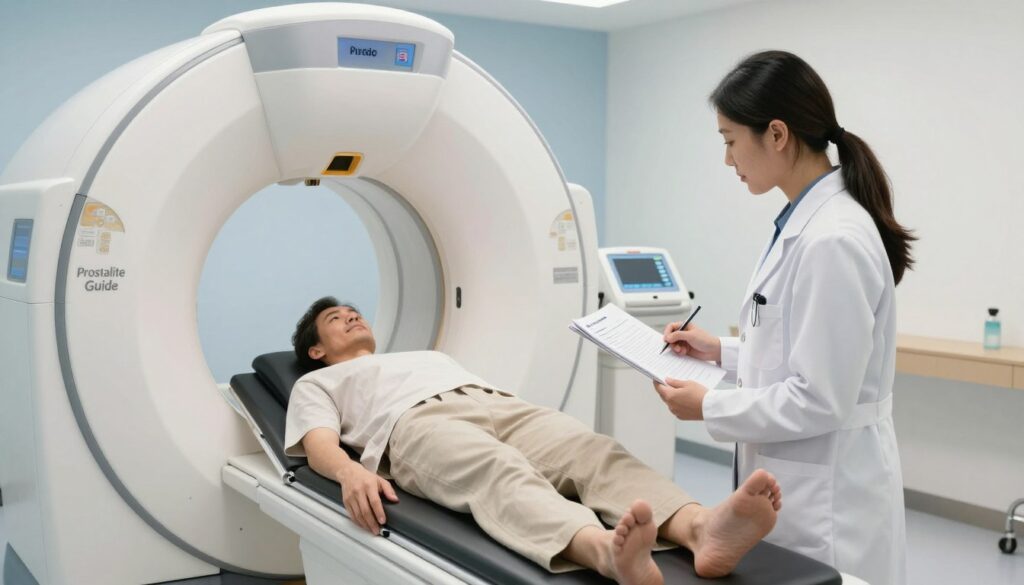
Radiation therapy can change function over months and years, with effects that sometimes appear long after treatment ends.
Reported ranges and why numbers vary
Clinical literature reports sexual dysfunction in roughly 20–80% of patients after radiation therapy. Studies differ by follow-up length, definitions of dysfunction, and the techniques used. Longer follow-up often finds higher rates.
Early versus late effects
Early effects stem from irritation and inflammation. These issues may improve over weeks to months. Late effects can show up many months to years later.
Late changes are often tied to microvessel injury and fibrosis. Those changes may be less reversible.
Nerves and blood supply
Erections need intact nerve signaling and good blood flow. If radiation fields include nearby neurovascular structures, both nerves and small vessels can be affected.
Animal and human data suggest reductions in nitric oxide–related nerves and higher arterial erectile dysfunction after some radiation plans.
Practical tips: patients should track erection quality, spontaneity, and response over time. Ask clinicians about planning that aims to limit dose to structures linked with function.
Brachytherapy and Cryosurgery: How These Options May Differ
Two local approaches often discussed for localized disease use very different methods. One places radiation near the target, while the other freezes tissue to destroy cells.
How brachytherapy works and reported rates
Brachytherapy places small radioactive sources inside or next to the gland to concentrate dose and limit exposure to nearby structures.
Clinical reports list erectile dysfunction after this treatment at about 14–35%. Numbers vary because baseline function, definitions, and follow‑up affect results.
Cryosurgery basics and limited data
Cryosurgery destroys tissue by freezing. It is used less often, so evidence is more limited.
One report suggested sexual function recovery in roughly 39% of men, but broader conclusions require caution due to small series and mixed measures.
- Mechanisms may include injury to nearby neurovascular bundles.
- Outcomes depend on baseline erections, patient age, and how function is measured over time.
- Discuss how each option fits cancer risk, urinary outcomes, and personal priorities with a clinician.
Hormone Therapy and Testosterone Blocking: Libido and Erectile Dysfunction
When treatments cut testosterone signaling, many men notice less interest plus changes in physical response.
Why androgen‑deprivation therapy often lowers desire
Androgen‑deprivation therapy is a common prostate cancer treatment that lowers or blocks testosterone. Testosterone helps drive desire; reducing it usually lowers libido and reduces nighttime firmness.
Why some men maintain function while others do not
Individual differences matter. Age, baseline fitness, hormone levels, and other medical conditions influence outcomes. Research has not fully explained why some men keep better function than others.
Body changes with long‑term therapy
Longer courses can be linked with smaller testis and reduced penile size, plus tissue changes such as fibrosis of erectile tissue. Notes in clinical literature describe these as gradual, not sudden.
| Issue | Typical timeline | Practical step |
|---|---|---|
| Loss of desire | Weeks to months | Discuss meds, counseling, libido support |
| Erectile dysfunction | Weeks to months | Monitor erections; ask about rehabilitation |
| Genital changes | Months to years | Document baseline; raise concerns early |
Emotional effects can include grief or a sense of loss. Support groups and clinician conversations help. Men should ask about timelines, monitoring, plus strategies that fit their overall cancer plan.
Understanding Erectile Dysfunction After Prostate Treatment
After treatment, changes in blood flow and tissue mechanics often explain why erections feel different than before.
Arterial versus veno‑occlusive problems, in plain language
Arterial problems happen when not enough blood gets into the penis. Think of a garden hose with low pressure.
Veno‑occlusive problems occur when blood does not stay trapped. It is like a bucket with a small leak.
Treatment can affect both paths by injuring nerves, tiny vessels, or causing scarring in the tissue.
Nitric oxide, cyclic guanosine monophosphate, and the process of erection
Nerve signals release nitric oxide, which starts a chain that raises cyclic guanosine monophosphate levels. That chemical relaxes vessels so blood can enter and be held.
When this signaling is disrupted, an erection may be weaker or shorter than before.
Why “erection sufficient for sexual intercourse” is hard to predict
“Sufficient” is subjective. Studies use different thresholds and people value firmness, duration, spontaneity, and partner comfort differently.
When speaking with clinicians, describe rigidity, duration, and response to stimulation rather than a single yes/no label.
| Issue | Plain meaning | How treatment can cause it |
|---|---|---|
| Arterial dysfunction | Not enough blood in | Vessel injury, reduced inflow |
| Veno‑occlusive dysfunction | Blood doesn’t stay trapped | Scarring, tissue remodeling |
| Signaling loss | Poor chemical messaging | Nerve injury, lower nitric oxide |
How Men Can Support Prostate and Sexual Health During Recovery
Recovery often benefits from small, steady steps that support daily function and intimacy.
Tracking symptoms and identifying patterns over time
Keep a simple log of urinary patterns, pain, libido, erection quality, and triggers. Note dates and context rather than single events.
This helps spot trends and provides useful information for clinicians at follow-up visits.
Sleep, movement, alcohol, and lifestyle factors
Good sleep restores energy and supports vascular function. Aim for consistent bedtimes and address nighttime bathroom trips with a clinician.
Regular movement boosts circulation and mood. Moderate alcohol; heavy use can reduce erection firmness and lower desire.
Managing stress and mental health
Anxiety and low mood can directly interfere with arousal and the recovery process. Screening for depression or persistent anxiety is reasonable when symptoms linger.
Mindfulness, brief therapy, and paced breathing exercises may reduce stress and improve confidence over time.
Communication strategies that can reduce relationship strain
Set low‑pressure goals for intimacy and separate affection from performance. Open conversations about fears and expectations can ease tension.
Joint clinic visits or written questions help partners stay informed and aligned during the recovery time.
| Support area | Practical step | Why it helps |
|---|---|---|
| Symptom tracking | Daily log of urine, pain, libido, erection | Shows patterns for clinician review |
| Sleep & activity | Regular bedtimes; daily walks | Improves energy, vascular function |
| Stress care | Mental health screening; short therapy | Reduces anxiety that blocks arousal |
| Communication | Low‑pressure intimacy goals; partner talks | Preserves relationship quality during recovery |
Note: these strategies support well‑being but do not replace medical care. If symptoms worsen or persist, seek a clinician’s evaluation to discuss treatment options and timelines.
What to Discuss With a Healthcare Professional
Before an appointment, write a short agenda so the visit covers expectations, timelines, and measures of success.
Questions to bring to a urologist or surgeon
Ask what side effects to expect and when they typically appear. Request realistic recovery timelines based on nerve preservation, age, and baseline function.
Clarify how outcomes are measured: firmness, duration, spontaneity, or partner comfort. Ask what “success” looks like for this patient.
Review of medicines that can affect outcomes
Share a full medication list. Discuss common drugs such as alpha blockers and 5-alpha reductase inhibitors, which can alter ejaculation or desire in some men.
Rehabilitation concepts to discuss
Present options from research—PDE5 inhibitors, vacuum devices, intracavernosal injections—as topics for a tailored plan. Emphasize that suitability varies and no single therapy fits all.
When to seek urgent care
- Fever with pelvic pain
- Inability to urinate
- Visible blood in urine
- Sudden severe worsening of pain
Shared decision‑making is key: weigh cancer control, urinary outcomes, and intimate priorities with the clinician and, if desired, a partner.
Conclusion
Overall, changes in desire or function often reflect a mix of urinary symptoms, mood, comorbid conditions, and effects of cancer or its treatment rather than a single cause.
Surgery, radiation, brachytherapy, cryotherapy, and hormone therapy each carry different risks; recovery is a process that may take months to years for some patients. Recovery timelines vary widely.
People should track symptoms, note timing, and bring a clear timeline to clinical visits. Seek evaluation when problems persist, worsen, or reduce quality of life.
Key point: individualized planning with a clinician helps balance disease control with preserving function and supports realistic expectations over time.
FAQ
Can prostate issues affect libido and sexual function?
What does the gland do and why does it matter for semen production?
How do erections work in simple terms?
What is libido and what commonly changes it?
Which benign conditions linked to sexual concerns should men know about?
How can prostatitis affect pelvic comfort and activity?
How does a cancer diagnosis affect desire and arousal before treatment?
What symptoms might signal sexual dysfunction related to gland problems?
What risk factors increase the chance of sexual problems?
How do urinary symptoms like frequency and urgency affect intimacy?
What does the evidence say about enlargement (BPH) and erectile problems?
How can treatments for enlargement change ejaculation?
How does stress affect performance after gland issues?
Why do sexual side effects vary after cancer treatment?
What does “nerve-sparing” mean in surgery and why is it important?
What mechanisms during surgery can cause erectile problems?
Why do nocturnal erections matter after treatment?
How long does recovery of erection function typically take after surgery?
How does radiation affect function over time?
Are outcomes different with brachytherapy or cryosurgery?
How does hormone (androgen-deprivation) therapy affect desire?
What are the main physiologic causes of erectile dysfunction after treatment?
What role do nitric oxide and cGMP play in erections?
What lifestyle steps support recovery of function?
What rehabilitation options should men ask about?
Which medications for urinary symptoms can affect performance?
When should a man seek medical attention for these problems?
What questions should men bring to a urologist or cancer surgeon?
📚 Scientific References & Further Reading
This guide is based on current medical literature and clinical guidelines. For more detailed information, please refer to:
- National Institute of Diabetes and Digestive and Kidney Diseases (NIDDK):
Prostate Enlargement (Benign Prostatic Hyperplasia) - American Cancer Society:
Managing Sexual Side Effects of Prostate Cancer Treatment - Harvard Health Publishing:
Treating BPH: Medications, surgery, and natural options - Urology Care Foundation:
What is Benign Prostatic Hyperplasia (BPH)?
* Disclaimer: External links are provided for reference purposes. We are not responsible for the content of external sites.
This article is for educational purposes only and does not replace professional medical advice. Always consult a qualified healthcare provider for diagnosis and treatment decisions.

“Abdullah is a dedicated health researcher specialized in urological wellness and prostate health. With years of experience in analyzing clinical studies, he provides evidence-based guidance to help men lead healthier lives.”
